Snow-covered driveways can be hazardous, time-consuming to clear, and damaging to surfaces over time. If you’re searching for a way to keep your driveway safe and snow-free all winter, radiant heat driveway snow melt systems offer an intelligent, long-lasting alternative to traditional snow removal.
This comprehensive guide explores the technology behind radiant snow melt systems, benefits, real-world installations, practical uses, and answers to common homeowner questions.
How Radiant Heat Driveway Snow Melt Works
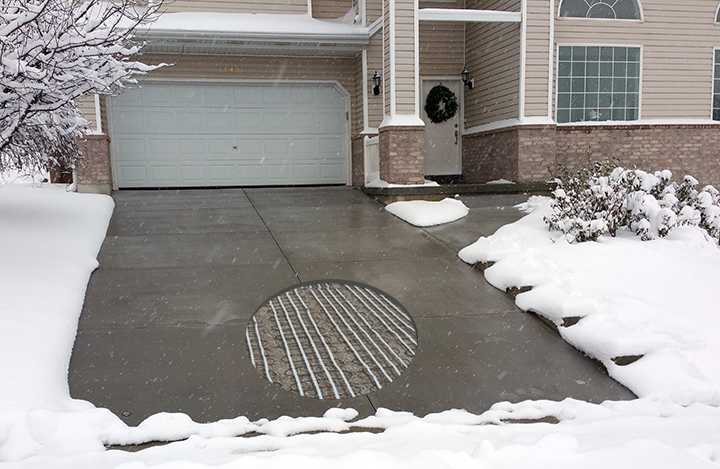
Radiant snow melt systems use embedded heating mechanisms to warm driveway surfaces enough to melt snow and ice on contact. There are two primary types:
Electric radiant heat systems employ heating cables or mats installed just beneath the driveway surface. When triggered by a snow sensor, they generate heat to prevent accumulation.
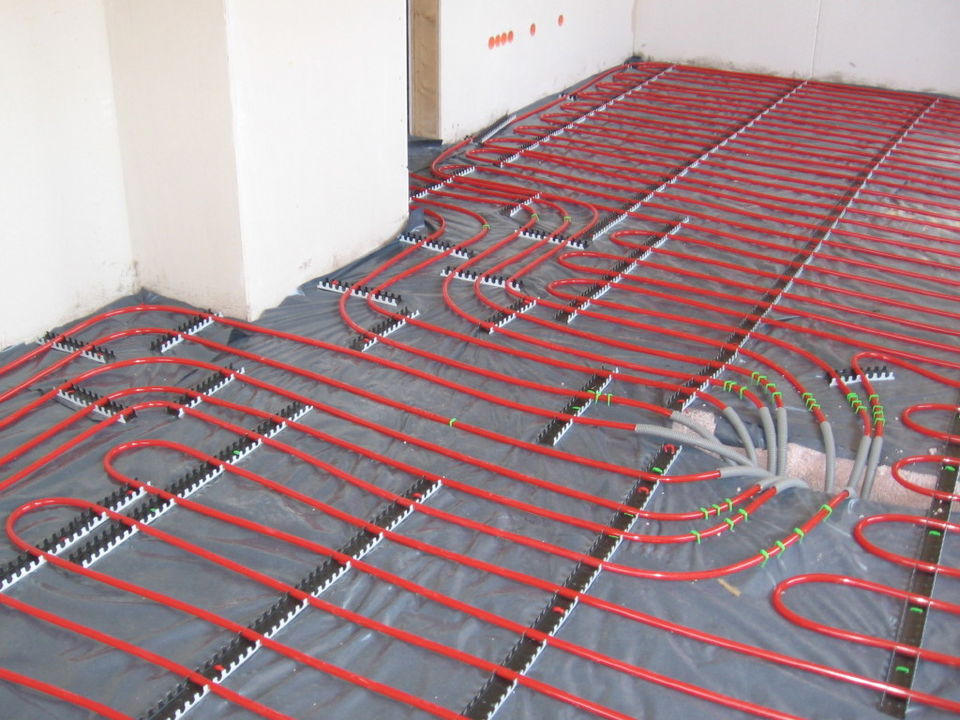
Hydronic systems use a network of PEX tubing beneath the slab through which heated water or glycol circulates, warmed by a boiler or heat pump.
Both systems integrate automatic sensors that monitor temperature and moisture, activating only under defined conditions (e.g., below39°FF with precipitation). This ensures efficiency and convenience.
Core Components of a Radiant Snow Melt System
-
Heating Elements: Electric systems use cables or mats; hydronic systems use PEX tubing.
-
Activation Sensors and Controls: Detect weather and initiate operation; “after run” features dry surfaces to prevent refreeze.
-
Power/Heating Units: Electric panels or boilers/heat pumps manage system energy.
-
Subsurface Installation: Insulation and precise layout ensure efficient heat transfer and uniform coverage.
By working synergistically, these components deliver automated, reliable, and safe snow removal without manual intervention.
Benefits of Using Radiant Heat Technology
Improved Safety and Convenience
Clearing snow manually or using chemicals increases fall risk. Heated driveways eliminate this, protecting residents and visitors, critical for families, seniors, and businesses.
Enhanced Durability and Surface Protection
Salt and plows erode concrete and asphalt. Radiant heating reduces this damage, extending driveway lifespan and preventing spalling from freeze-thaw cycles.
Operational Efficiency and Environmental Protection
Automatic activation ensures operation only when necessary. Electric systems direct nearly 99% of energy to heating; hydronic systems leverage efficient boilers Eliminating salt also protects landscaping and waterways.
Increased Property Value and Peace of Mind
A heated driveway is a premium home feature offering convenience, safety, and modern appeal. Installed systems can last up to 20 years, positioning them as a smart, long-term investment.
Real-World Snow Melt Installations
Example 1: Residential Concrete Driveway with Electric Cable
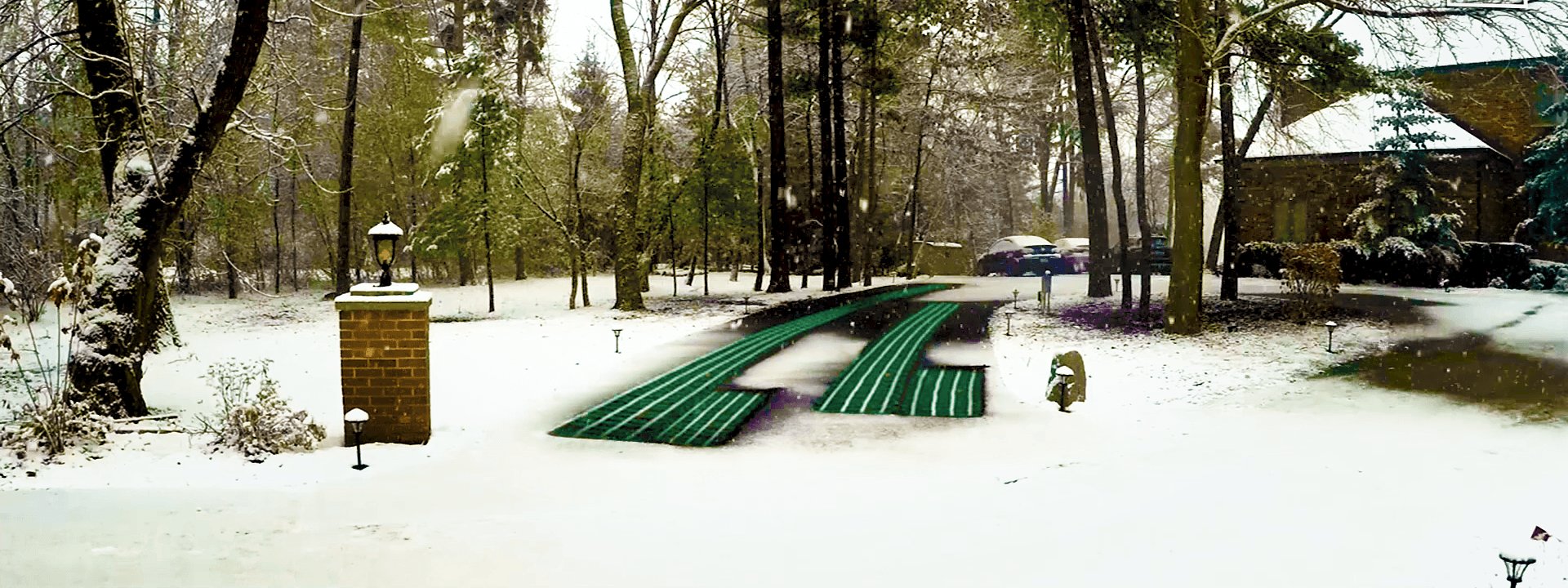
A homeowner installed electric radiant cables under a concrete driveway. An aerial sensor controlled operations, and the system cleared snow autonomously within minutes of snowfall. This eliminated shoveling and chemical use.
Relevance: Highlights effectiveness for single-home use with fast snow removal and no maintenance.
Example 2: Hydronic System in Commercial Parking Area
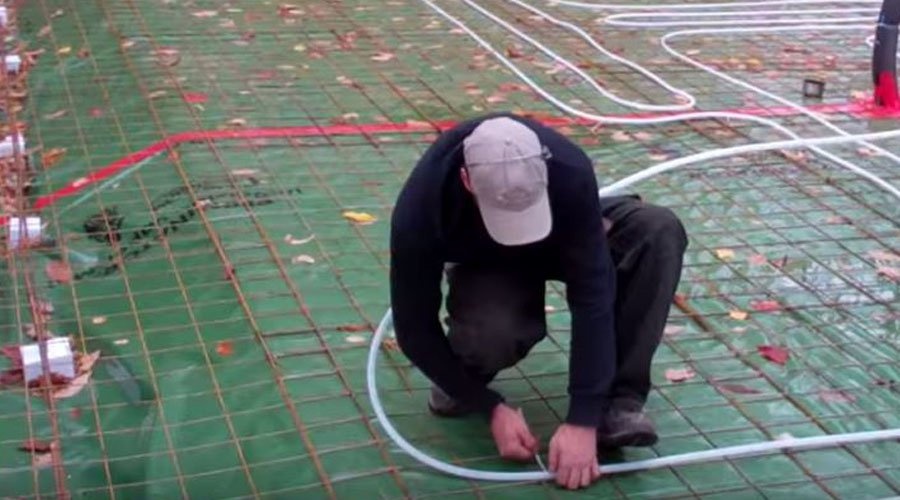
A small retail center embedded hydronic tubing beneath a large asphalt parking ramp. A propane-fired boiler circulates heated fluid. The system kept the slope clear during storms, reducing liability and maintenance costs.
Relevance: Demonstrates large-scale capability and energy-efficient performance for high-traffic areas.
Example 3: Asphalt Driveway with Retrofit Electric Mats
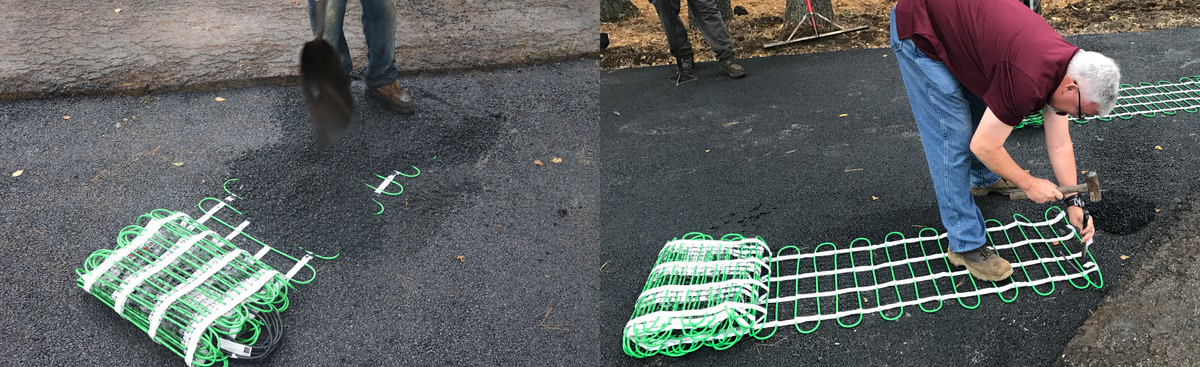
A homeowner chose electric heating mats under a recently repaved asphalt driveway. The mats were clipped in place before laying. Automated sensor control removes snow quickly while protecting the new surface.
Relevance: Shows retrofit flexibility without full reconstruction.
Example 4: Luxury Home with Heated Paver Driveway
In a luxury property, heating cables were installed beneath stone pavers. This preserved aesthetic appeal while ensuring pedestrian and vehicle areas remain safe and ice-free.
Relevance: Illustrates how radiant systems work under decorative surfaces.
Example 5: Steep Rural Driveway with Hydronic Tubing
A remote property installed hydronic tubing in 7″-thick concrete over insulation on a steep slope. This prevented vehicle slippage and eliminated plowing in heavy snowfall areas.
Relevance: Suitable for challenging terrain, offering reliable traction and usability.
Practical Use Cases and Problem Solutions
-
High-risk households: Families benefit from eliminating snow hazards, especially with the elderly or children present.
-
Commercial access: Businesses gain safe, accessible surfaces without costly manual clearing or liability exposure.
-
Remote/hilly driveways: Heated driveways on slopes prevent icing and improve vehicle control.
-
Preservation of new surfaces: Avoids damage from plowing equipment and chemicals during post-installation curing.
-
Eco-conscious homeowners: Reduce environmental impact through less chemical runoff and efficient energy use.
Frequently Asked Questions
Q1: What is the cost to install a heated driveway?
Costs vary—typically $4,800 to over $25,000 depending on system type and driveway size. Operating cost for 300 sq ft is around $1.50/hour, electrical.
Q2: Electric or hydronic—what’s better?
Electric systems are simpler, less costly upfront, and maintenance-free. Hydronic systems, while more complex and initially expensive, offer lower operating costs on large areas and flexible fuel use.
Q3: Can these systems be retrofitted to an existing driveway?
Yes—electric cables or mats can be embedded under new asphalt or concrete overlays. Hydronic systems work best during major repaving or construction