Radiant driveway heating systems, also called snow-melting systems, integrate heating elements beneath driveway surfaces to automatically prevent snow and ice buildup. Available in both electric and hydronic options, these systems offer unparalleled convenience, safety, and preservation with intelligent automation based on temperature and moisture sensors.
How Radiant Driveway Heating Systems Work
Installing a radiant heating system starts with embedding either electric cables or hydronic tubing beneath the driveway’s surface, whether concrete, asphalt, or permeable pavers. Electric systems use high-resistance cables or mats controlled by weather sensors that trigger heating when snow or moisture is detected. Hydronic systems circulate heated water or glycol through PEX tubing connected to a boiler, which radiates warmth to prevent accumulation.
These systems include a control panel that processes sensor data, ensuring heating only activates under specific conditions (e.g., temperature below 39°F) and performs an “after-run” to prevent refreezing.
Installation Techniques and System Design
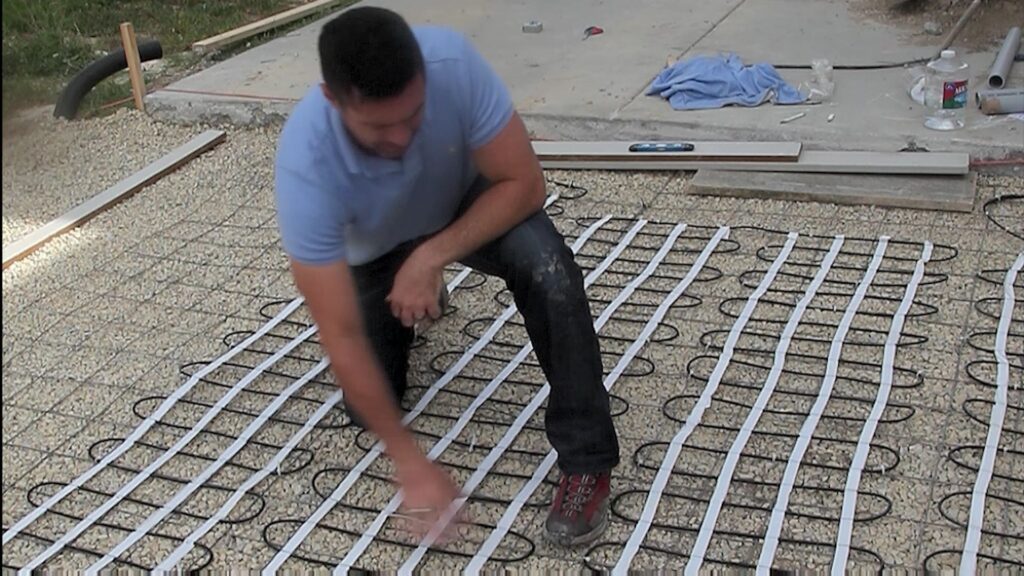
Electric systems require wire mesh and proper cable spacing, typically 3–4 inches, to ensure even heat under a 4-inch concrete slab. Warming cables are checked before and during installation to avoid damage.
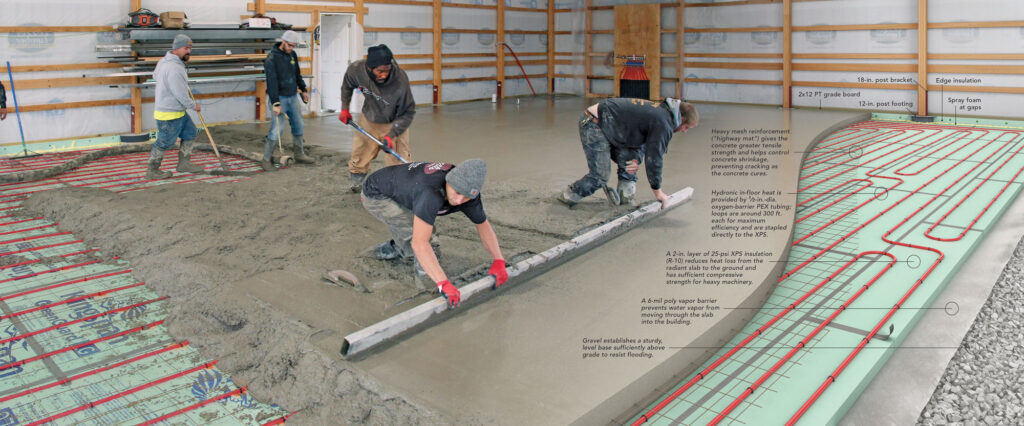
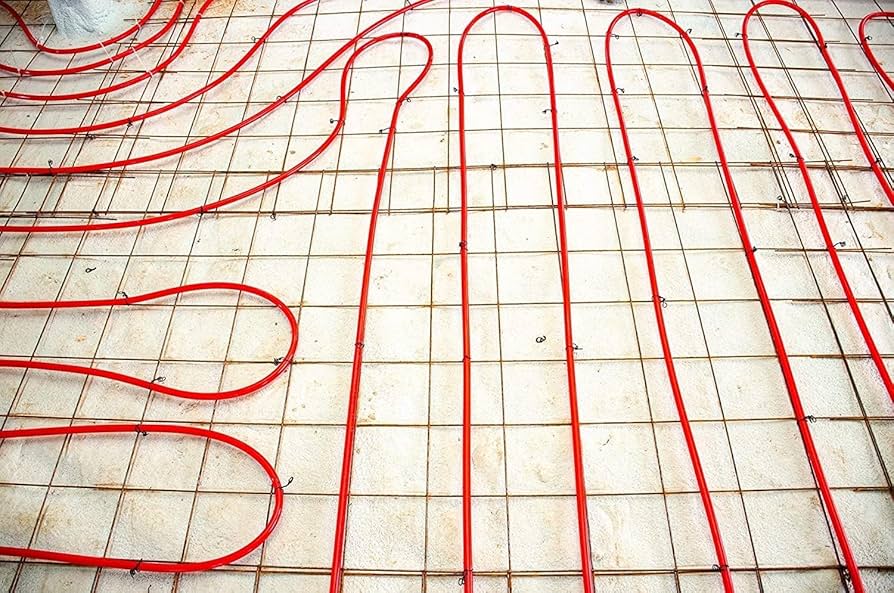
Hydronic installations involve laying PEX tubing in spiral patterns, ensuring proper insulation beneath the slab to maximize efficiency. Manifolds and boilers regulate heated fluid circulation.
In retrofit cases, cables can be grooved into existing asphalt or covered with an overlay and epoxy, while hydronic installations usually require full driveway replacement.
Benefits of Radiant Driveway Heating Technology
Enhanced Safety and Ease
Automated systems eliminate the need for shovel work, reducing physical strain and slip-and-fall accidents. Households with seniors, children, or mobility concerns gain significant safety benefits.
Protection of Driveway Surface
Eliminating the use of plows and salt prevents surface erosion, spalling, and freeze-thaw damage. Radiant heating aids in extending the lifespan of concrete or asphalt slabs.
Environmental and Operational Efficiency
Hydronic systems offer cost-effective operation for large areas; electric systems are simpler and cheaper upfront. Both systems offer automated control, ensuring energy is used only as needed. Eliminating chemical deicers also helps protect nearby landscaping and waterways.
Added Property Value
A radiant heated driveway enhances curb appeal and offers homeowners a premium feature that can boost resale value and marketability in snow-prone regions.
Real-World Installations and Examples
Electric Cable System Under Concrete Driveway
In a Michigan suburb, homeowners installed heating mats beneath a new concrete driveway equipped with sensors. The system automatically activated during snowfall, clearing the driveway by early morning.
Relevance: Ideal for seamless retrofit beneath new or replacement driveways and ensures rapid response to snow events. Electric cables offer quick reaction times compared to hydronic options.
Hydronic Tubing in Commercial Parking Ramp
A Colorado retail center used hydronic tubing beneath a large asphalt parking ramp. Fueled by a natural gas boiler, the system maintains clear pathways during heavy snow, reducing downtime and liability.
Relevance: Highlights how hydronic systems scale cost-effectively for large commercial installations.
Steep Residential Driveway with Hydronic Heating
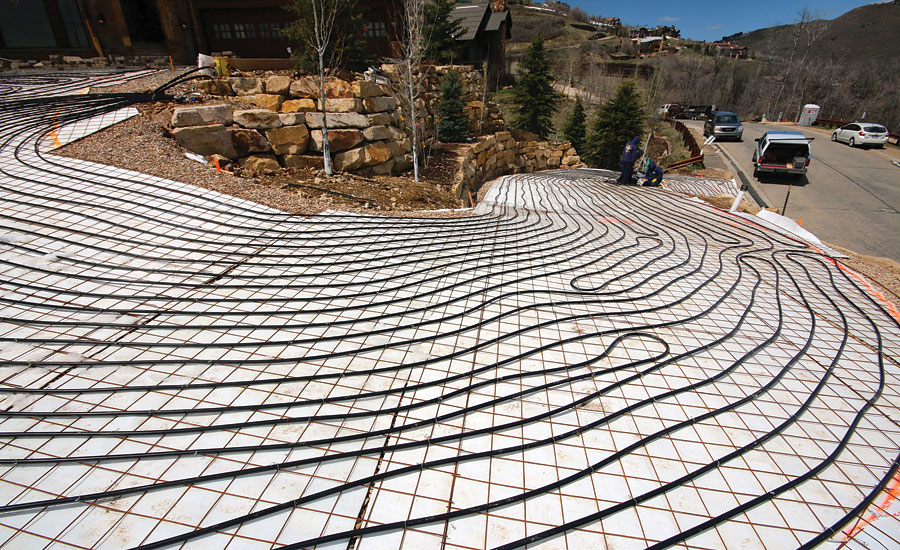
In Vermont, a steep driveway was converted to include hydronic snow melt tubing in thick concrete, keeping its snowy slope safe during winter.
Relevance: Demonstrates effectiveness for high-risk, sloped driveways to ensure traction and safety during storms.
Decorative Paver Driveway with Electric System
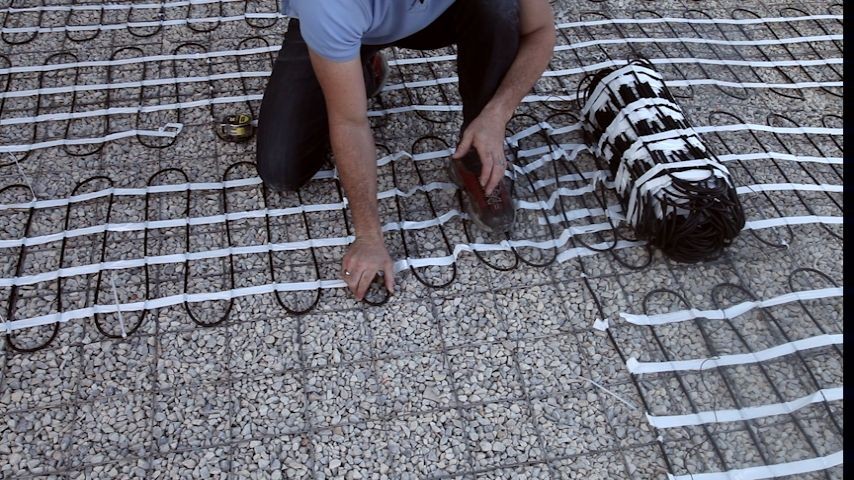
A luxury Minnesota home integrates electric cables beneath decorative interlocking pavers. The cables remained hidden, preserving design while ensuring snow-free functionality.
Relevance: Shows that style and functionality can coexist, even in bespoke driveway designs.
Combined Driveway and Walkway Heated Hydronic System
A family in Chicago installed a hydronic system under a stamped concrete driveway and adjacent basketball court. Two boilers power tubing zones, protecting both vehicle and play areas.
Relevance: Illustrates how a unified system can cover multiple outdoor zones, enhancing year-round usability.
Practical Use Cases and Problem Solving
-
Slip Prevention in High-Traffic Zones: Ensures clear paths for residents, guests, and deliveries.
-
Labor Savings: Reduces or eliminates snow removal services, saving time and money.
-
Slope and Terrain Safety: Ensures drivable and walkable surfaces even on steep inclines.
-
Surface Preservation: Avoids damage from salt and snow removal equipment.
-
Mental Well-Being: Removes stress from snow cleanup, offering true “set-and-forget” winter convenience.
Frequently Asked Questions
Q1: Which system is best—electric or hydronic?
Electric systems are best for small to medium areas; they heat quickly, are simpler, and have lower installation costs. Hydronic systems, while more complex upfront, yield lower operating costs for large areas and are best suited for new construction.
Q2: Can these systems be added to existing driveways?
Electric cables can be retrofitted into overlays or grooved into asphalt/concrete. Hydronic systems typically require full driveway replacement due to tubing integration.
Q3: How much does it cost, a nd how long do systems last?
Installation costs range from approximately $4,800 for small residential setups to $25,000+ for larger surfaces. Well-installed systems last 20 years or more with minimal maintenance and offer excellent return through convenience and reduced maintenance demands.