A radiant driveway integrates heating elements beneath the driveway surface either electric cables or hydronic tubing to melt snow and ice on contact. This guide dives deep into the technology, benefits, installation techniques, real-world implementations, and FAQ’s you need to know.
How a Radiant Driveway Works
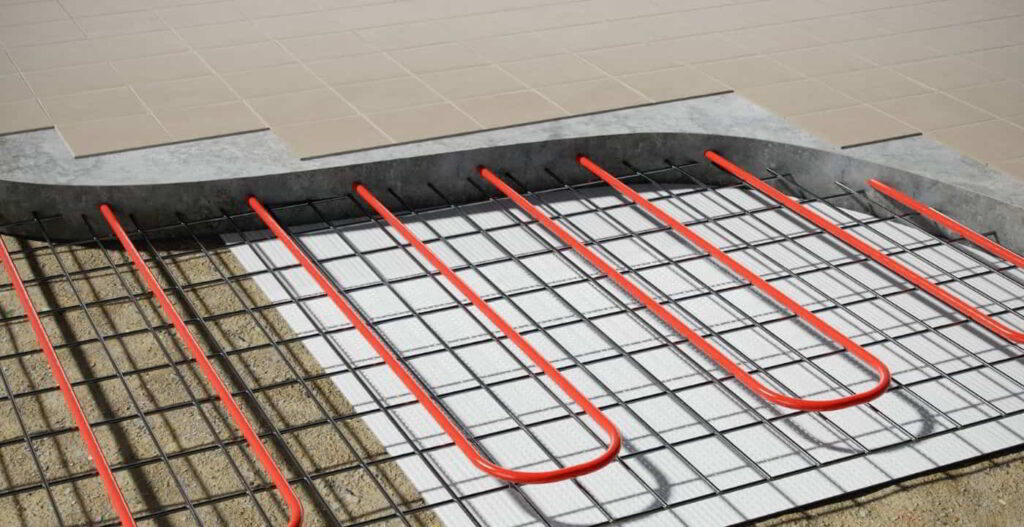
Radiant driveways use embedded heating systems that automatically activate based on snow or ice detection. Two main types exist:
-
Electric systems install heating cables or mats under concrete, asphalt, or pavers. When sensors detect moisture and temperatures near freezing, electricity flows to warm the surface.
-
Hydronic systems circulate heated water or glycol through PEX tubing. Heat is supplied via a boiler or heat pump, warming the driveway slab and melting snow from below.
Both systems use control units connected to sensors, activating only when conditions require. An “after-run” cycle ensures driveways don’t refreeze once snow stops falling.
Installation Process and Considerations
Installing a radiant driveway begins with preparing the sub-base for optimal conductivity. Electric cables require precise spacing (typically 3–4″), secured to mesh before pouring. Quality control during installation prevents future issues.
Hydronic systems demand layout planning for tubing and insulation beneath the slab to reduce heat loss. A boiler must connect via a manifold, with efficiency affected by fluid type and system routing.
These systems best install during initial driveway construction or full replacement. Electric mats often retrofit easily; hydronic systems generally require full pours for proper integration.
Benefits of Radiant Driveways
Winter Safety and Convenience
No more shoveling or ice scraping, the driveway stays clear automatically, reducing slip-and-fall risks for residents, guests, and service personnel.
Surface Longevity
Radiant heating eliminates reliance on deicing salts and resistive physical clearing tools, preserving surfaces from corrosion, cracking, and spalling over time.
Energy Efficiency
Hydronic systems are cost-effective for large areas, while electric systems are simpler and affordable for smaller driveways. Both operate automatically and efficiently with modern sensors.
Year-Round Usability
Winter chores become a thing of the past. These systems ensure reliable access in retreat areas, for people with limited mobility, or businesses requiring consistent, hazard-free surfaces.
Real-World Examples of Radiant Driveway Systems
Electric Heating Cables under Concrete Driveway
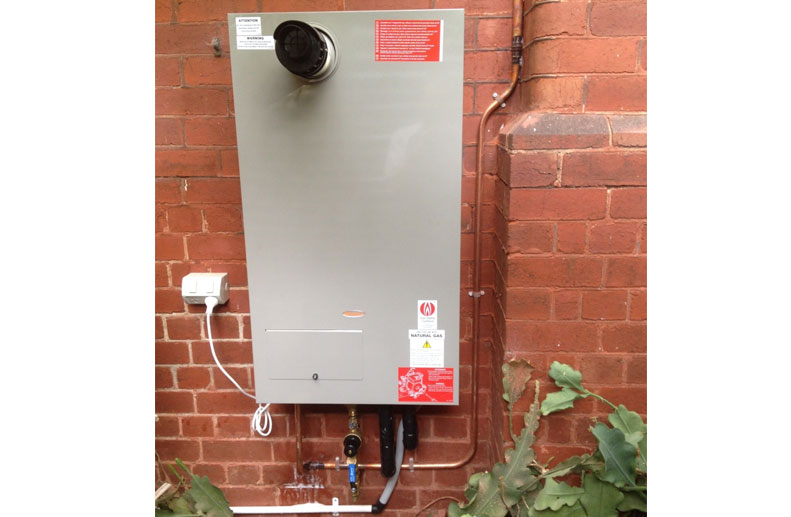
A homeowner in Michigan installed electric cables beneath a new concrete driveway. Controlled by outdoor sensors, the system activated throughout snow events, ensuring clear paths each morning.
Relevance:
Ideal for residential settings with new or full replacement driveways. Quick activation and simple integration make electric systems a popular choice.
Hydronic Tubing in Large Commercial Driveway
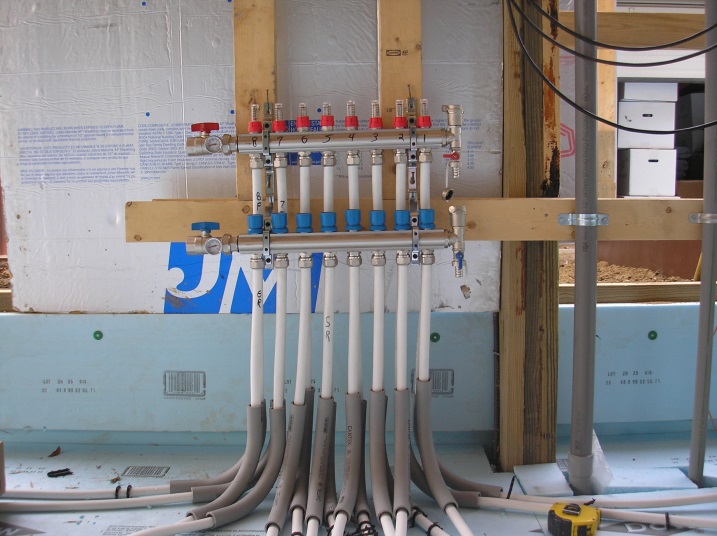
A Colorado industrial campus installed hydronic tubing beneath its loading area. Heated by a gas boiler, the system maintains snow-free surfaces during heavy snowfall.
Relevance:
Hydronic systems suit high-traffic, expansive areas. The lower energy cost per square foot justifies higher installation complexity.
Retrofitted Electric Mats in Asphalt Overlay
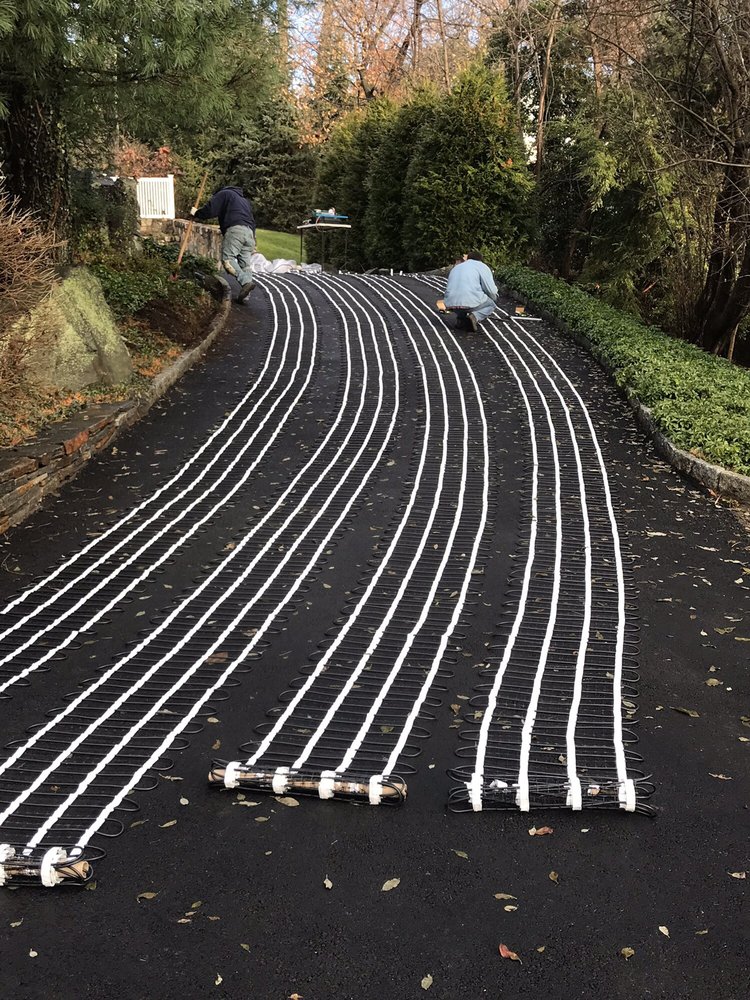
A residential property in Vermont used heating mats under a fresh asphalt overlay. Rather than completely replacing the driveway, property owners embedded mats before repaving.
Relevance:
Demonstrates a cost-effective retrofit that avoids full contractor replacement.
Sloped Driveway with Hydronic Heating Tubes

A ski-lodge property in Colorado built a steep approach with embedded hydronic tubing in concrete. The system prevented ice buildup, improving safety and operational efficiency.
Relevance:
Hilly terrain and steep grades benefit greatly from consistent heat to ensure traction and prevent accidents.
Decorative Pavers with Electric Heat
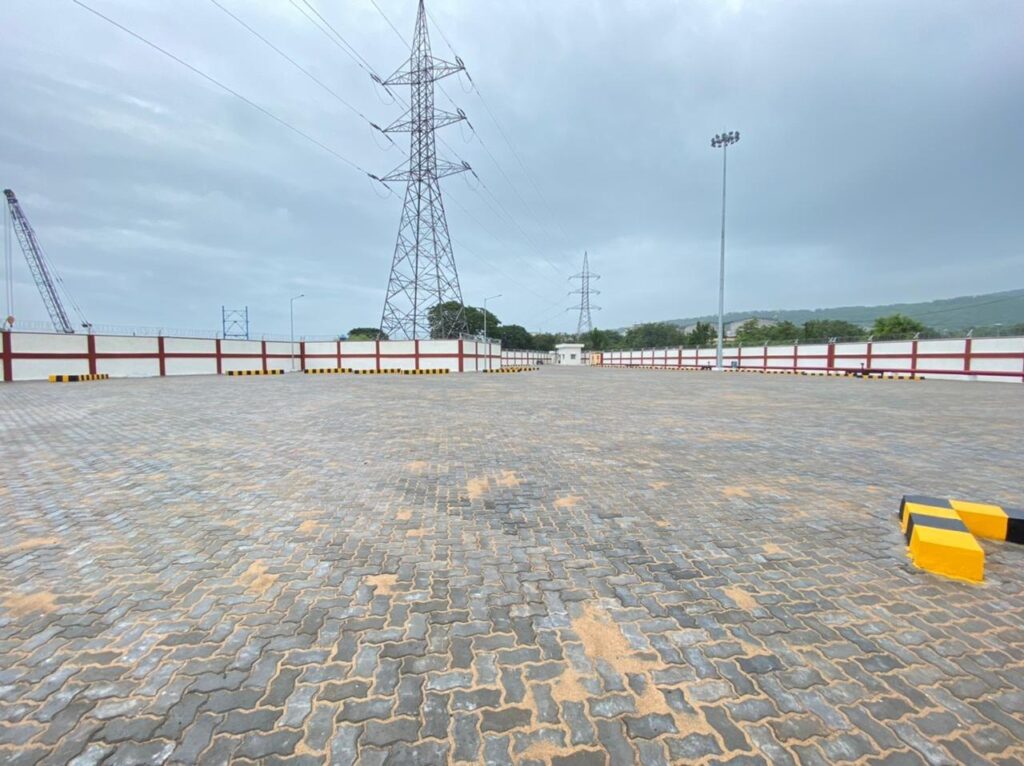
In Minnesota, a luxury home installed cables beneath decorative interlocking pavers. Heat was distributed evenly, keeping both vehicles and footpaths snow-free while maintaining curb appeal.
Relevance:
Shows aesthetic flexibility. Heated driveways don’t disrupt style when installed properly.
Real-Life Use Cases and Solutions
-
Elderly or mobility-challenged households benefit from automated snow clearing to reduce fall risk.
-
Commercial properties avoid costly snow removal and liability during storms.
-
Remote or steep driveways maintain access for emergency vehicles and deliveries.
-
Luxury and commercial sites preserve aesthetics while ensuring performance.
-
Eco-aware homes reduce chemical runoff, especially when paired with hydronic and renewable energy sources.
FAQs
Q1: Which system works best for my driveway size?
Electric systems are ideal for small to medium residential driveways and are simpler to install. Hydronic systems are best for large or commercial areas due to lower ongoing energy costs despite higher upfront installation costs.
Q2: Can I retrofit radiant heating into an existing driveway?
Electric cable systems can be retrofitted via asphalt overlays or concrete grooving. Hydronic systems typically require full replacement to embed tubing properly within the slab.
Q3: How durable are radiant driveway systems?
With proper installation, both systems can last 20–30 years. Electric cables are durable and maintenance-free. Hydronic systems may require occasional boiler maintenance and valve inspection, but remain long-lasting.