Winter can turn a simple driveway into a hazardous, slippery zone. Shoveling snow, salting ice, or relying on snowplow services can be time-consuming and costly. Enter the driveway snowmelt system, an innovative heating technology designed to automatically keep your driveway clear, safe, and accessible, no matter how heavy the snowfall.
This guide explores everything from system types and benefits to real-world use cases, making it a definitive resource for homeowners and property managers considering snowmelt technology.
Understanding Driveway Snowmelt Systems
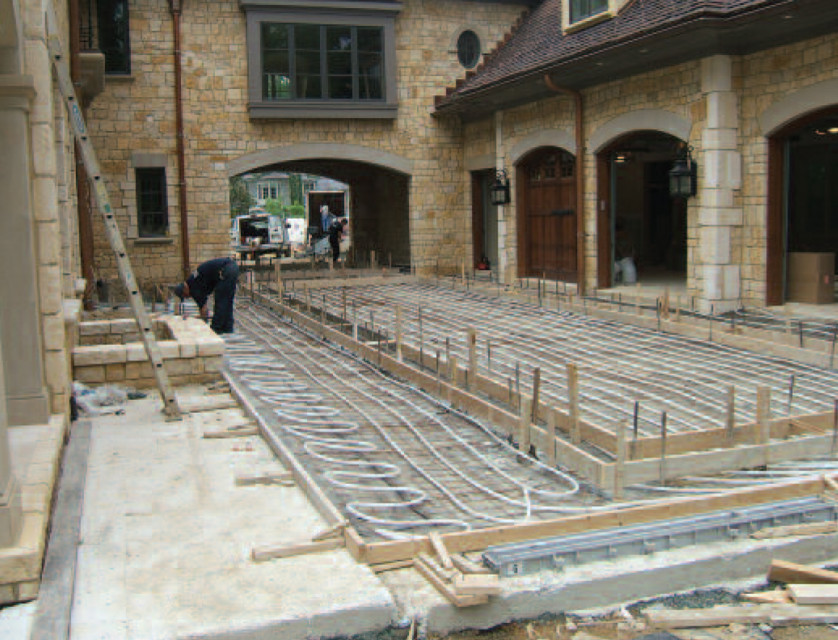
A driveway snowmelt system is an embedded heating solution installed beneath your driveway’s surface, whether it’s concrete, asphalt, or pavers. These systems use either electric heating cables or hydronic (water-based) tubing to generate heat and melt snow on contact.
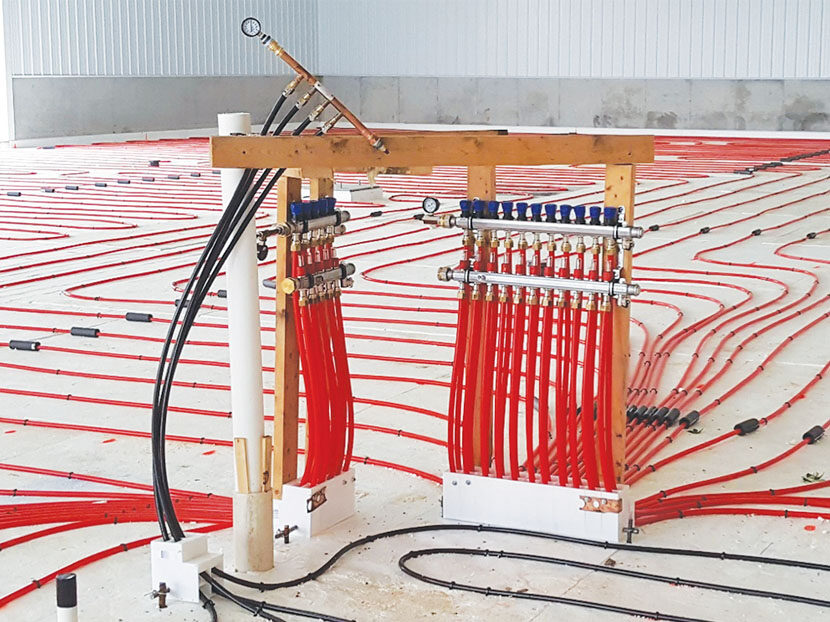
Electric systems utilize resistance cables powered by electricity, while hydronic systems circulate a warm water-glycol mixture through a series of PEX tubing connected to a boiler or heat source. Both options rely on smart controls and weather sensors that activate the system only when snow or freezing moisture is detected.
Installation typically occurs during driveway construction or resurfacing. However, retrofit options exist for electric systems via asphalt overlays or concrete grooves.
Benefits of Driveway Snowmelt Systems
Improved Safety and Accessibility
A snowmelt system ensures your driveway remains clear without manual labor. This reduces the risk of slip-and-fall accidents, particularly for children, elderly family members, or anyone with mobility challenges. During emergencies, a snow-free driveway is crucial for first responders and service vehicles.
Lower Maintenance Costs Over Time
Though installation costs can be significant, the long-term benefits are substantial. You eliminate the need for snowplow contracts, frequent salt purchases, and the physical toll or injury risk from shoveling. Over the years, the cost savings and time recovered are considerable.
Surface Preservation and Longevity
Frequent use of salt, shovels, and snowplows can deteriorate driveway surfaces. With a snowmelt system, surfaces endure less mechanical wear and fewer freeze-thaw cycles, extending the lifespan of the driveway and minimizing repair needs.
Eco-Friendly and Efficient Options
Hydronic systems, especially when powered by energy-efficient boilers or renewable energy sources, significantly reduce environmental impact. Electric systems paired with solar or wind energy are also increasingly popular for green homeowners.
Real-World Examples of Driveway Snowmelt Systems
Electric Snowmelt System for a Suburban Home
In upstate New York, a homeowner chose to install an electric cable system during the construction of a new concrete driveway. The system was integrated into a smart home setup and included Wi-Fi connectivity, allowing remote operation.
Relevance:
This case showcases how easily electric snowmelt systems integrate with new construction and smart technology, making snow removal completely hands-free.
Hydronic System for a Commercial Office Parking Area

A business complex in Minnesota installed a hydronic snowmelt system beneath a 10,000-square-foot parking area. A natural gas boiler powers the system, which keeps access lanes and employee parking clear through harsh winters.
Relevance:
Perfect example of scalability. Hydronic systems are more economical for larger areas, offering consistent performance and energy efficiency.
Retrofitted System for Asphalt Driveway
A family in Colorado retrofitted their existing asphalt driveway with electric heating mats. Rather than tearing out the entire surface, they installed the system during an asphalt overlay process.
Relevance:
This example proves that you don’t need to demolish your existing driveway to enjoy snowmelt benefits. Retrofitting can be a cost-effective solution.
Decorative Heated Driveway Using Interlocking Pavers
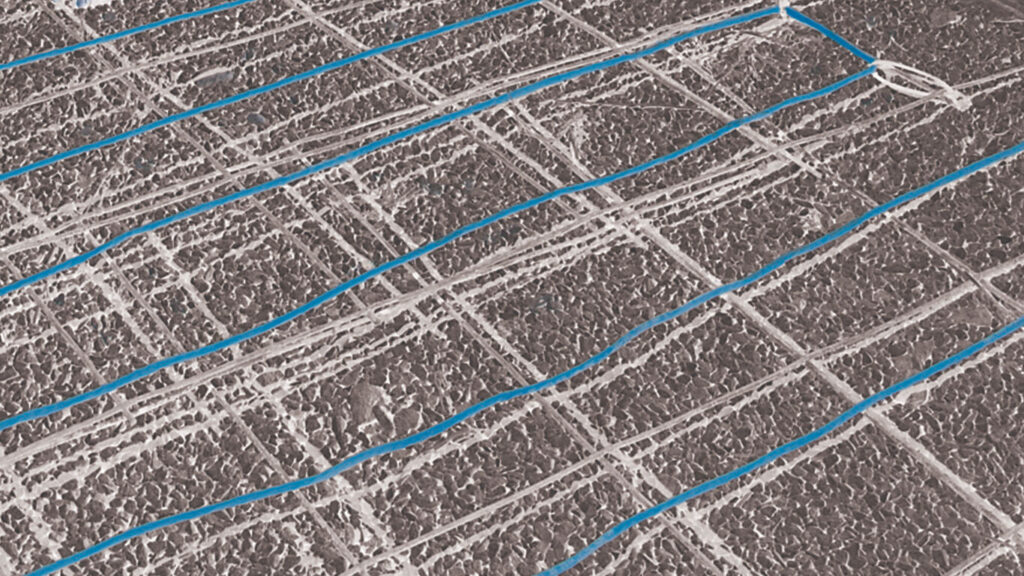
In Chicago, a luxury home featured a patterned driveway made from interlocking pavers. A custom electric cable layout was designed to follow the paver pattern without disturbing the aesthetics.
Relevance:
Illustrates how snowmelt systems preserve design integrity while enhancing functionality.
Sloped Driveway with Hydronic Heating in a Mountain Cabin
A cabin in the Rocky Mountains installed a hydronic system on a steep, icy driveway. The slope made traditional snow removal dangerous and difficult. The snowmelt system ensures safe access year-round.
Relevance:
Highlights how snowmelt systems can solve serious accessibility issues in challenging terrains.
Use Cases: When a Driveway Snowmelt System Makes Sense
For Homeowners in Snow-Prone Regions
If you live in an area that regularly receives snowfall, a snowmelt system can vastly improve your quality of life during winter. No more early mornings with a shovel or last-minute panic during a snowstorm.
For High-Traffic Commercial Sites
Businesses and multi-unit properties benefit from clear walkways and driveways, lowering liability risks and ensuring continuity during winter.
For Properties with Steep Driveways or Limited Access
In hilly regions or areas with driveways on inclines, snowmelt systems ensure consistent access regardless of winter severity. This is crucial for emergency services, deliveries, or simply leaving home without worry.
For Luxury and Custom Builds
Modern homes are increasingly including snowmelt systems in their initial designs. For clients focused on safety, convenience, and curb appeal, this technology adds value and sophistication.
Frequently Asked Questions
What is the difference between electric and hydronic snowmelt systems?
Electric systems use heating cables and are simpler to install, making them ideal for smaller residential applications. Hydronic systems circulate warm fluids through tubing and are more energy-efficient for larger areas like commercial driveways or parking lots.
Can I install a snowmelt system under an existing driveway?
Yes. While hydronic systems typically require full reconstruction, electric systems can often be retrofitted during a driveway overlay. The feasibility depends on your current surface and budget.
How much energy does a snowmelt system consume?
Energy use varies based on system size, type, insulation, and climate. Hydronic systems tend to be more energy-efficient for larger surfaces, especially when powered by high-efficiency boilers or renewable energy. Smart sensors and zone controls also optimize usage by activating only when necessary.
Conclusion
A driveway snowmelt system is a smart, modern solution for simplifying winter maintenance, improving safety, and protecting your property’s value. Whether you’re planning new construction or seeking a retrofit, the examples and insights in this guide provide a strong foundation for informed decisions. The comfort and reliability of a snow-free surface can transform your winter experience from a burden to a convenience.