Installing a heating system for the driveway means transforming your outdoor space into a safe, ice-free surface with minimal effort. By embedding electric cables or hydronic tubing beneath your driveway material, you can ensure automatic, reliable snow and ice melting, reducing risk and maintenance through the winter months.
How Driveway Heating Systems Work
Driveway heating systems generally come in two types:
Electric systems use high-resistance cables or mats installed below concrete, asphalt, or pavers. Sensors detect low temperatures and moisture, triggering current flow to warm the surface.
Hydronic systems circulate warm water or glycol through PEX tubing laid beneath the surface. A dedicated boiler heats the fluid, which then radiates heat upward.
Automatic controllers and snow sensors ensure activation only during relevant conditions, with built-in “after run” settings to prevent refreeze.
Installation Process and Recommendations
Installing a driveway heating system starts with proper base preparation:
For electric installations, cables or mats must be secured above wire mesh and 2–4 inches below the surface layer. A megger tester ensures cable integrity before the concrete pour.
For hydronic systems, PEX tubing is arranged in spiral or serpentine form over insulation under the slab. A boiler and manifold supply fluid to each loop. Insulation beneath the tubing improves efficiency.
Retrofits are feasible for electric systems via grooving or overlays, while hydronic setups typically require full replacement.
Benefits of Driveway Heating Technology
Enhanced Safety and Convenience
Heating systems eliminate manual snow removal, drastically reducing slip hazards, especially beneficial for families with elderly or young members.
Surface Preservation
Reducing reliance on salt and physical clearing methods protects concrete and asphalt from spalling and cracking, prolonging driveway lifespan.
Energy Efficiency and Environmental Care
Electric systems provide 100% energy conversion to heat, ideal for smaller areas. Hydronic systems, with boiler-based heating, offer scalable, cost-effective solutions for larger surfaces.
Eliminating salt runoff improves landscaping and reduces environmental harm.
Added Home Value
A heated driveway underscores premium appeal, increasing property value and marketability in colder climates.
Real-World Examples of Driveway Heating Systems
Electric Cable Under New Concrete Driveway

A homeowner in Michigan installed electric cables beneath a new concrete driveway. Smart sensors triggered heating during snowfall, delivering clear driveways by sunrise.
Explanation:
Ideal for new residential installations combines easy setup and rapid response, resulting in safety and convenience.
Hydronic System in Large Commercial Lot
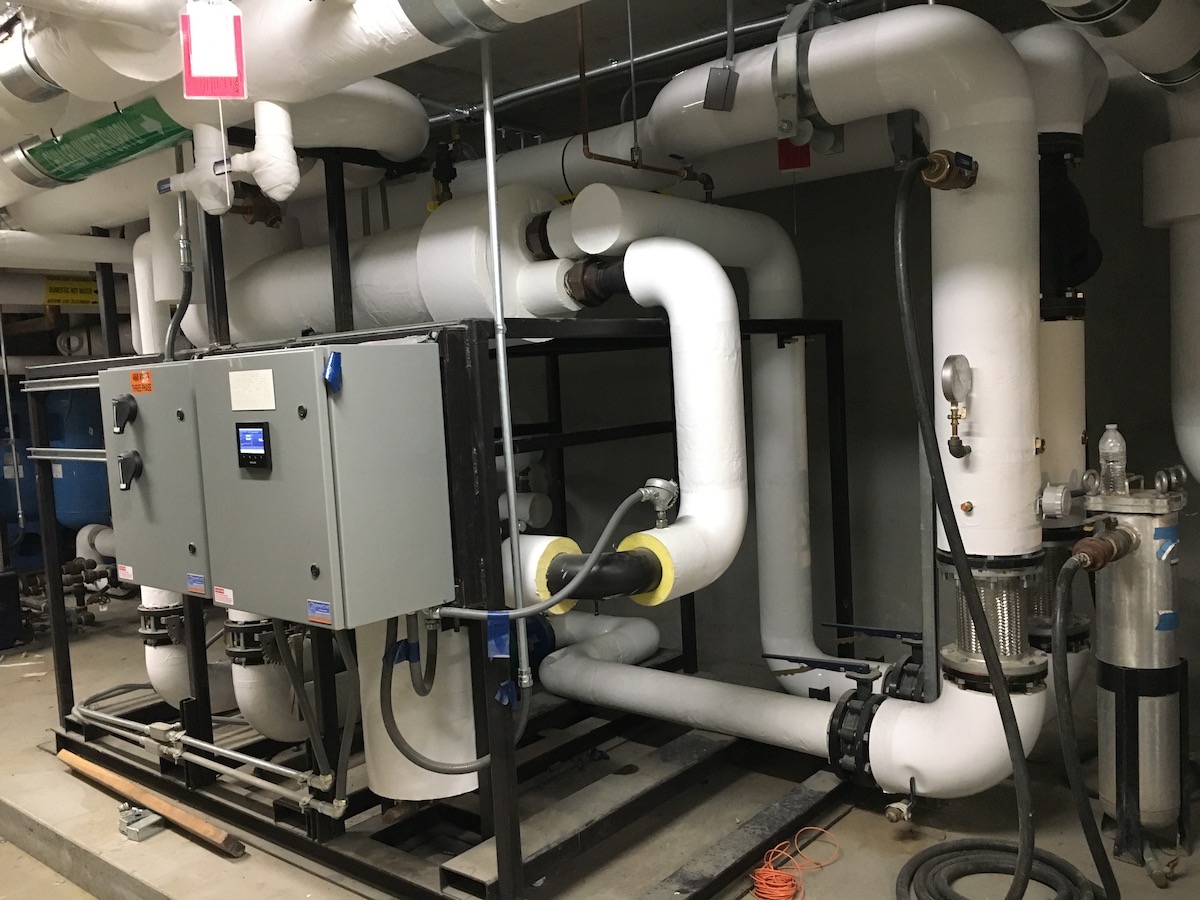
A Colorado retailer installed hydronic tubing beneath their entrance and parking ramp. Powered by a gas boiler, it keeps surfaces snow-free throughout winter storms.
Explanation:
Hydronic systems suit large-scale applications, offering better operational efficiency and cost effectiveness in commercial settings.
Retrofitted Electric Mats Under Asphalt Overlay
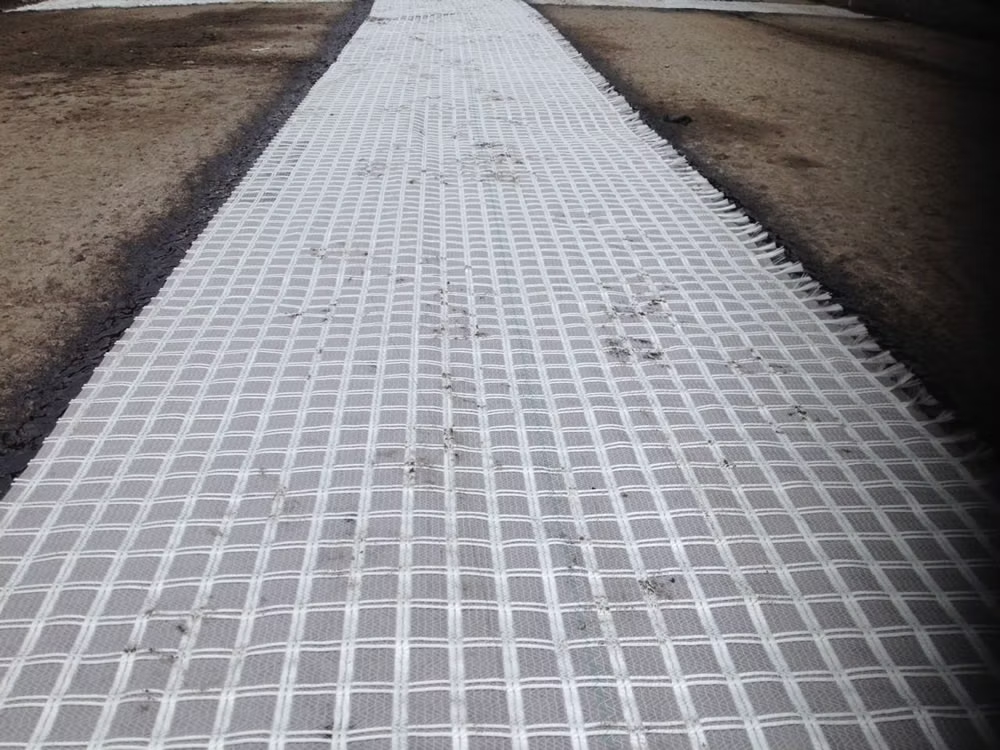
In Vermont, a homeowner embedded electric mats during an asphalt overlay. This retrofit avoided full demolition and solved recurring ice problems without major hassle.
Explanation:
An effective retrofit solution that enables snow-melting on existing driveways with relatively low effort and cost.
Decorative Pavers with Electric Heating

In a Chicago luxury home, electric cables were woven beneath interlocking pavers. System activation reflects sensors, preserving design yet ensuring a clear surface during snow.
Explanation:
Combines aesthetics with practicality, ideal for properties sensitive to visual detail.
Sloped Hydronic System in Mountain Lodge

A Rocky Mountain lodge installed a hydronic system on its steep driveway. The heated surface eliminated ice build-up, enhancing vehicle traction and reducing maintenance challenges.
Explanation:
Essential for sloped or hard-to-access driveways that pose safety risks during winter.
Technology Insights and Practical Advantages
Electric systems offer ease of installation, rapid response, and precise control. They can be retrofitted and typically require minimal maintenance.
Hydronic systems distribute heat evenly over larger spaces and are more energy-efficient long term. They’re ideal for commercial or large residential properties, though they require more complex installation and periodic boiler servicing.
Both systems rely on intelligent controls: automatic weather sensors, adjustable thresholds, and “after-run” cycles to optimize performance and efficiency.
Practical Use Cases and Problem Solving
-
High-traffic residential driveways: Ensures no delays or hazards from snow.
-
Commercial entrances and lots: Reliability and maintenance costs.
-
Sloped driveways: Maintain access and safety where manual snow removal is dangerous.
-
Retrofit situations: Electric systems allow smart upgrades without full reconstruction.
-
Longevity-focused installations: Heated systems protect surfaces, saving long-term repair costs.
FAQs
Q1: Which system costs more initially—electric or hydronic?
Electric systems are about 30% cheaper to install, especially in smaller areas. Hydronic setups cost more upfront but offer lower operational costs and are more efficient for larger driveways.
Q2: Can I retrofit my current driveway?
Yes—electric cables or mats can be grooved into asphalt or installed under new concrete overlays. Hydronic systems require complete slab replacement to embed tubing correctly.
Q3: What maintenance is required?
Electric systems are largely maintenance-free. Hydronic systems may need boiler inspections, tubing checks, and antifreeze fluid replacements, typically every few years.