A heating system for driveways is a snow-melting technology installed underneath the surface to automatically melt snow and ice. It is designed to maintain a clear, dry, and safe surface even during heavy snowfalls, eliminating the need for manual snow removal or chemical deicers. These systems can be installed under concrete, asphalt, or pavers.
There are two main types of driveway heating systems: electric and hydronic. Electric systems use heating cables or mats that generate heat when electricity passes through them. Hydronic systems circulate a mixture of water and antifreeze through PEX tubing connected to a boiler or heat pump. Both types can be integrated with sensors that detect temperature and moisture to operate only when necessary.
Types of Driveway Heating Systems
Electric Radiant Heating Systems
Electric systems use resistive cables or mats to generate and radiate heat through the driveway surface. These systems are ideal for small to medium-sized driveways and are relatively easy to install during resurfacing or new construction. They are low-maintenance and respond quickly to snowfall.
Electric systems are managed through a control unit connected to sensors that automatically turn the system on when snow or ice is detected. This provides a hands-free solution for homeowners seeking convenience and safety.
Hydronic Radiant Heating Systems
Hydronic systems rely on heated water or glycol flowing through a closed-loop of PEX tubing beneath the driveway. This type is energy-efficient for larger driveways and commercial settings due to the ability to heat large areas cost-effectively.
The system connects to a heat source like a boiler, heat exchanger, or solar panels. It offers uniform heating across the entire surface and is ideal for snow-prone regions or steep driveways where slipping hazards are greater.
Benefits of Installing a Driveway Heating System
Enhanced Safety and Accessibility
A heated driveway minimizes the risk of accidents caused by slippery ice and compacted snow. It is particularly beneficial for families with children, seniors, or individuals with mobility challenges.
Clear, dry surfaces ensure safer walking and driving conditions during winter, reducing the chances of slip-and-fall injuries or vehicle skidding.
Convenience and Time Savings
Forget about early morning shoveling or paying for snow removal services. With an automated heating system, snow melts as it lands, freeing up your time and energy for more important tasks.
These systems also reduce the need for harmful salt and deicing chemicals that can damage your driveway, landscaping, or nearby water sources.
Property Value and Curb Appeal
Installing a heating system under your driveway is a premium upgrade that enhances your home’s curb appeal and increases its resale value. It signals luxury, safety, and modern innovation to potential buyers.
In cold climates, heated driveways are increasingly seen as desirable features that set a property apart.
Real-World Product Examples and Applications
Example 1: Electric Heating Mats for a Concrete Driveway
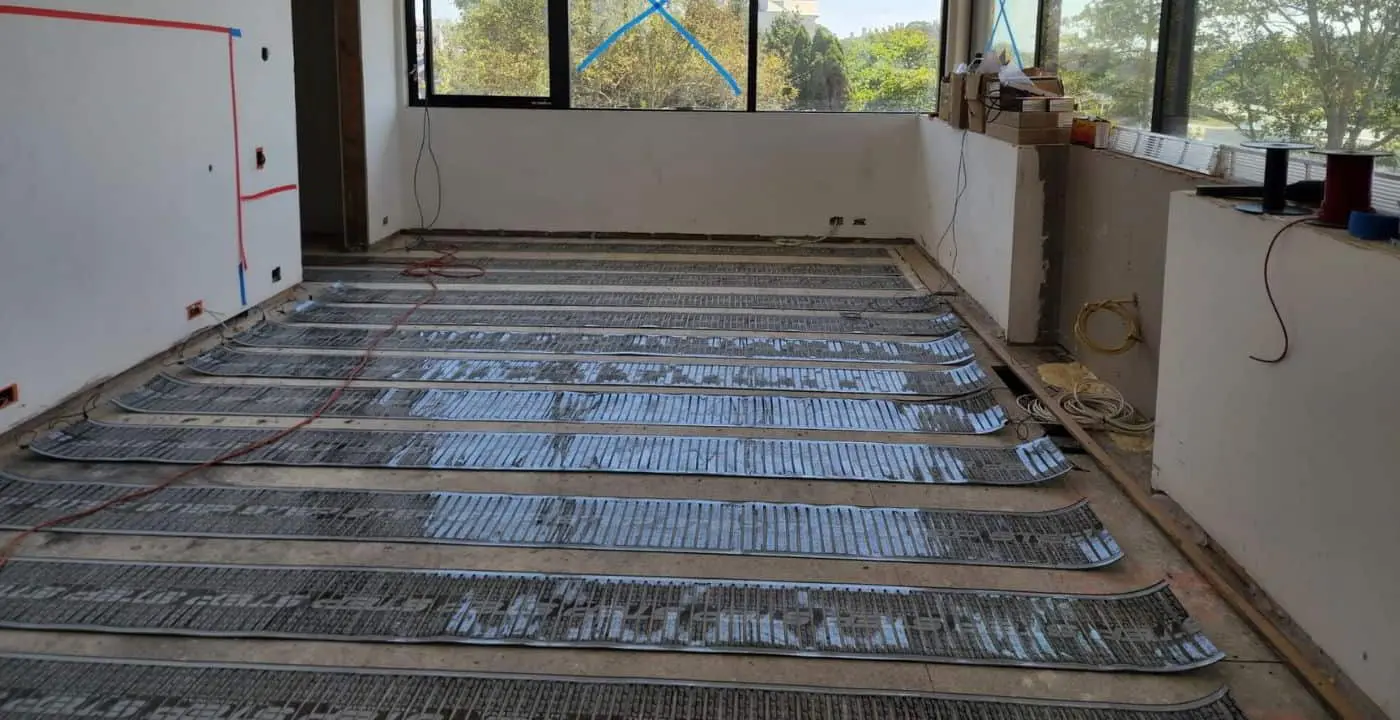
A homeowner in Michigan installed electric heating mats during the repaving of their concrete driveway. The mats, connected to a control unit, activate as soon as snow is detected, keeping the surface ice-free 24/7.
Relevance: Simple to install with new construction. Ideal for homes in regions with moderate snowfall.
Hydronic System in a Commercial Parking Area
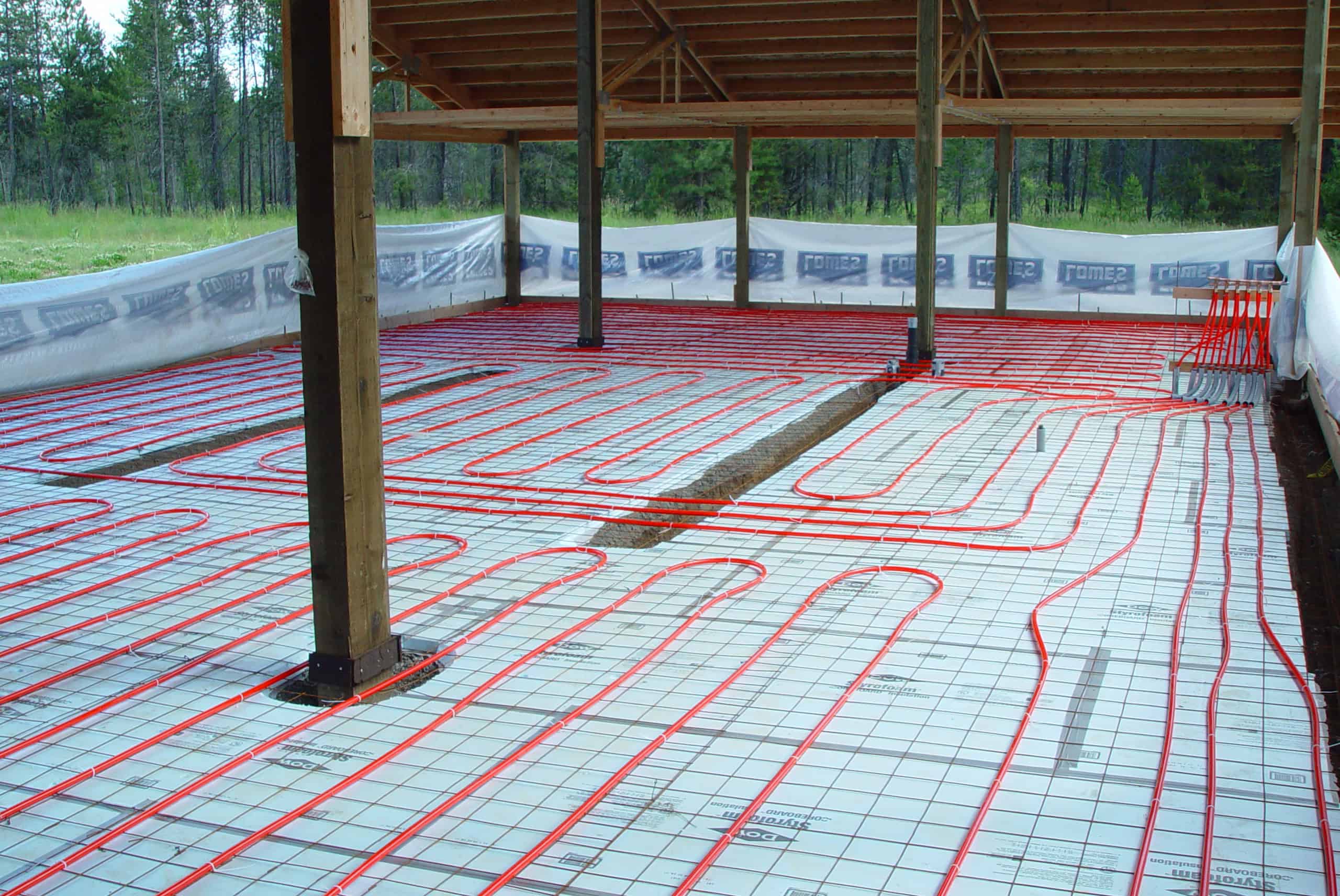
A commercial property in Colorado added a hydronic heating system under a large parking lot. The tubing was connected to a natural gas boiler, melting snow quickly and efficiently.
Relevance: Cost-effective for large areas and reduces liability for slips and falls.
Retrofit Electric Cable System in Asphalt Driveway
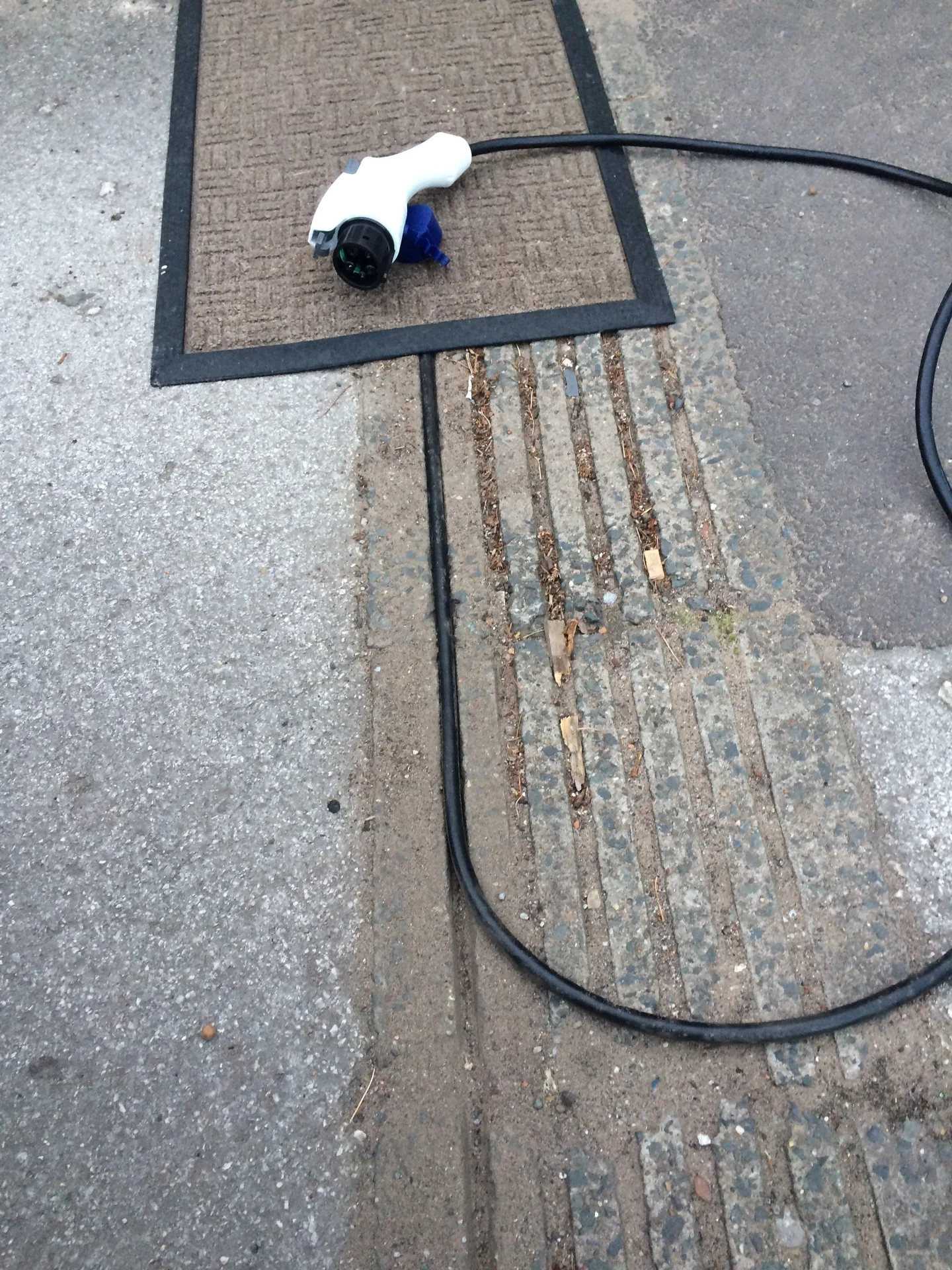
In Vermont, a retrofit project involved embedding electric cables during asphalt resurfacing. This approach allowed homeowners to upgrade without a full demolition.
Relevance: Great solution for upgrading existing driveways with minimal disruption.
Decorative Paver Driveway with Electric Heating
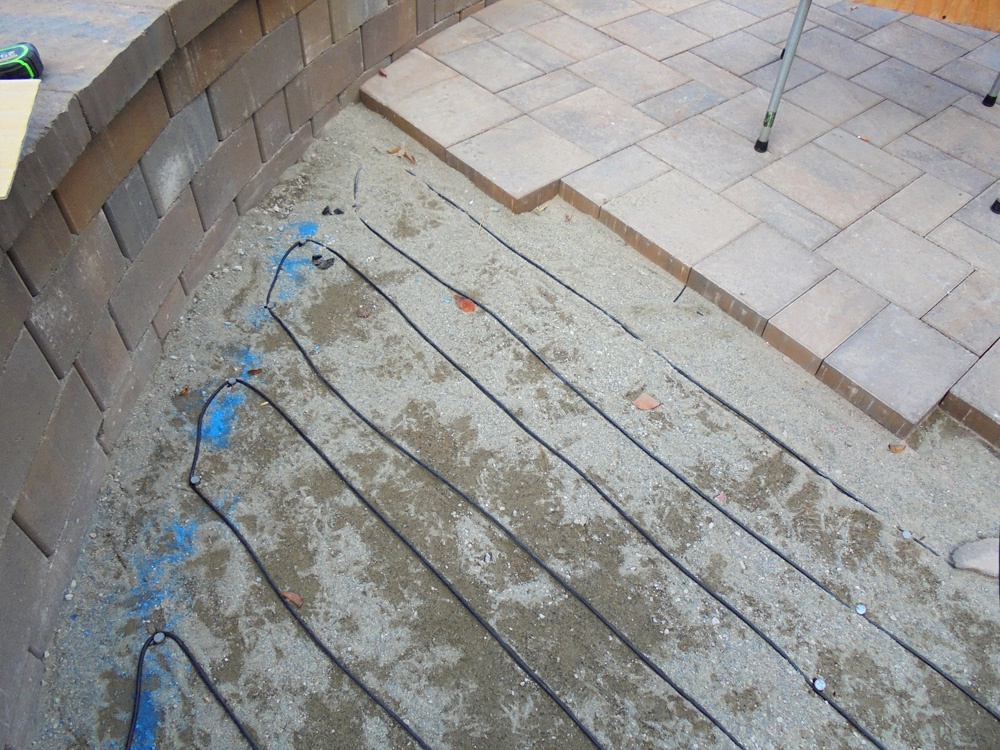
A luxury home in Utah has integrated heating cables beneath a decorative stone paver driveway. The design stayed intact while benefiting from automated snow melting.
Relevance: Maintains design aesthetics while adding winter functionality.
Hydronic System on Sloped Residential Driveway
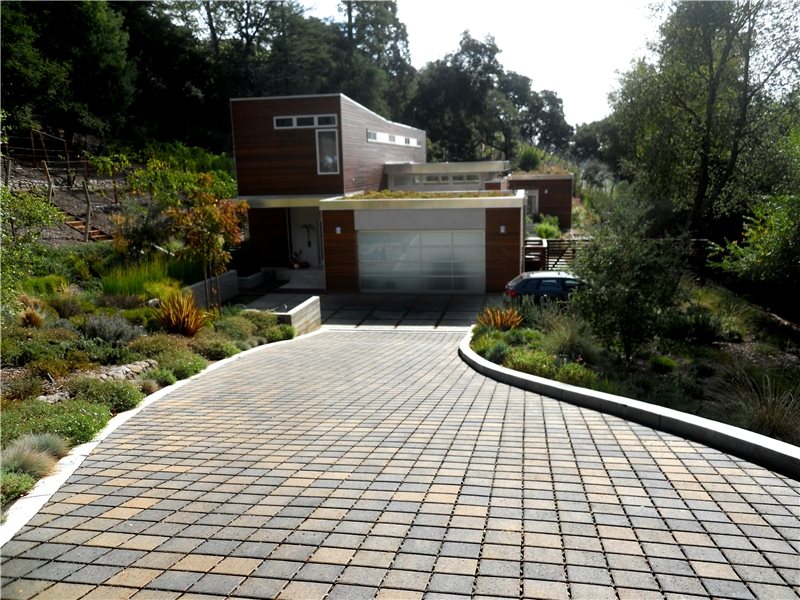
A sloped driveway in Pennsylvania used a hydronic heating system to address snow accumulation and improve traction. The system activates automatically during snowfall.
Relevance: Crucial for homes with elevation changes where snow buildup is dangerous.
Practical Use Cases for Driveway Heating Systems
- Elderly homeowners who are unable to shovel snow can maintain independence and safety.
- Remote or rural properties that don’t have easy access to plowing services benefit from consistent snow management.
- Steep or curved driveways are safer and more accessible during winter.
- Busy households save time on snow clearing, especially before work or school.
- Commercial entrances and emergency service lanes remain open and operational.
Frequently Asked Questions
Q1: How long does a heated driveway last?
Both electric and hydronic systems can last over 20 years with proper installation and maintenance. Electric cables are sealed and durable, while hydronic tubing is made of long-lasting PEX material.
Q2: Can I install a heating system on an existing driveway?
Yes, electric systems can often be retrofitted by embedding mats or cables during resurfacing. Hydronic systems usually require full replacement but offer long-term benefits.
Q3: How energy-efficient are these systems?
Electric systems heat quickly and are ideal for smaller areas. Hydronic systems are more energy-efficient over large areas and can connect to energy-efficient boilers or renewable energy sources.