A concrete driveway with artificial grass is more than just a trending design; it’s a functional, stylish, and low-maintenance solution for modern homeowners. This combination delivers a sleek, green aesthetic without the downsides of natural turf or the monotony of solid concrete. It’s especially popular in urban and suburban environments where curb appeal and water conservation are top priorities.
Whether you’re planning a new driveway or renovating an old one, incorporating artificial grass between concrete slabs is an innovative option worth considering. This guide explores the technology behind it, the key benefits, common use cases, real-life applications, and detailed answers to frequently asked questions.
What is a Concrete Driveway with Artificial Grass?
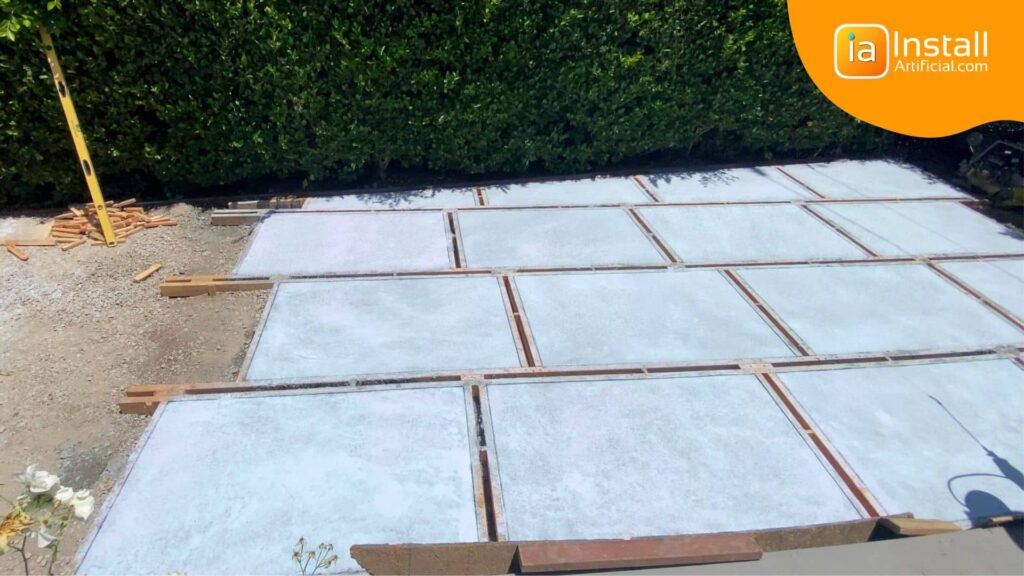
A concrete driveway with artificial grass is designed by laying down concrete slabs or strips with intentional spacing between them, where synthetic turf is installed. This creates a visually striking pattern, often in geometric or linear designs, that adds greenery without the need for irrigation or lawn care.
The concept merges form and function: strong, durable concrete provides vehicle support, while the synthetic grass delivers aesthetic charm, temperature moderation, and a soft, natural-looking finish.
Why This Combination Works
The structured, hardscape strength of concrete contrasts beautifully with the soft visual texture of artificial grass. This creates a unique, balanced driveway design that stands out in any residential setting. It’s especially effective in areas prone to drought or where maintenance time is limited, offering a fresh alternative to gravel or traditional lawns.
Benefits of Using Artificial Grass in Concrete Driveways
Low Maintenance and Long-Term Cost Savings
Artificial grass eliminates the need for mowing, watering, weeding, or fertilizing. Once installed between concrete slabs, it holds its form and color year-round. This drastically reduces maintenance costs, making it a long-term economic choice. Homeowners save time and money while keeping their front entrance neat and appealing.
Eco-Friendly and Water Efficient
Natural lawns can consume thousands of gallons of water annually. In contrast, artificial grass uses none, making it ideal in drought-prone areas or where water conservation is important. The combination of concrete and synthetic turf also minimizes soil erosion, reduces pesticide use, and promotes environmentally conscious landscaping.
Visual Impact and Curb Appeal
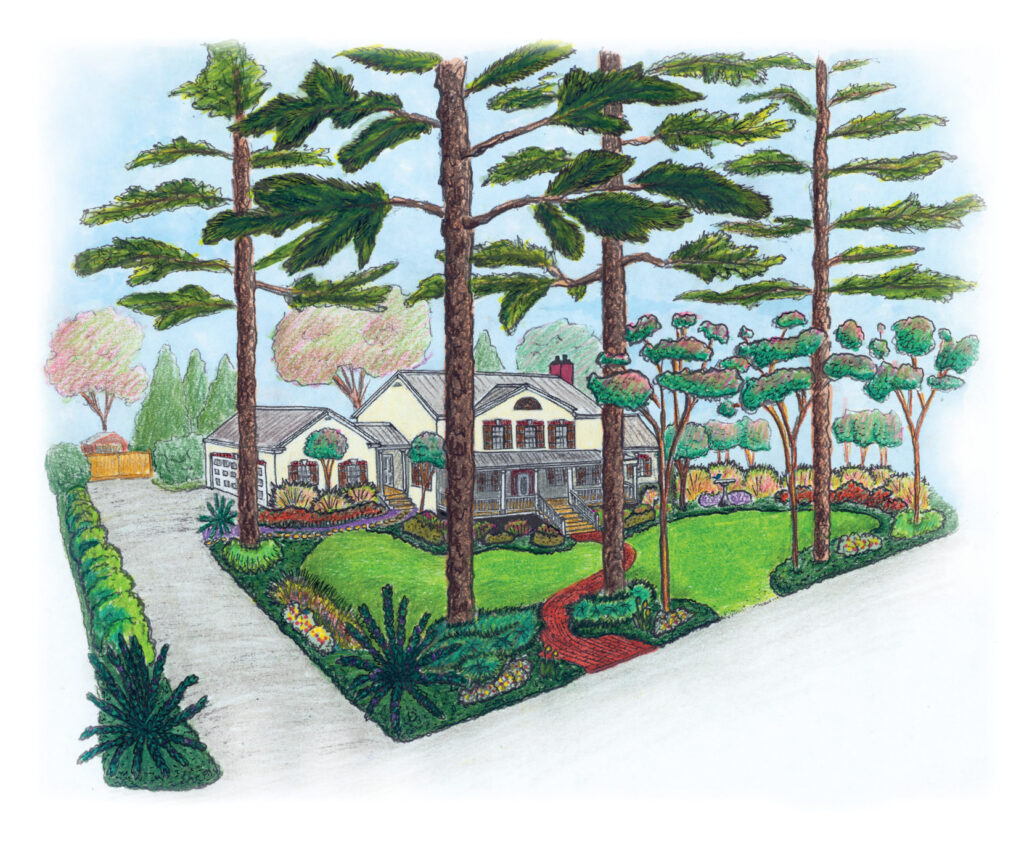
The green accent of artificial turf breaks up large concrete surfaces, softening their appearance. This provides a more luxurious and inviting look, which can increase property value and positively influence first impressions. Customizable layout options, such as herringbone, square grids, or modern lines, allow for personalized styling.
How the Technology Works: Installation and Materials
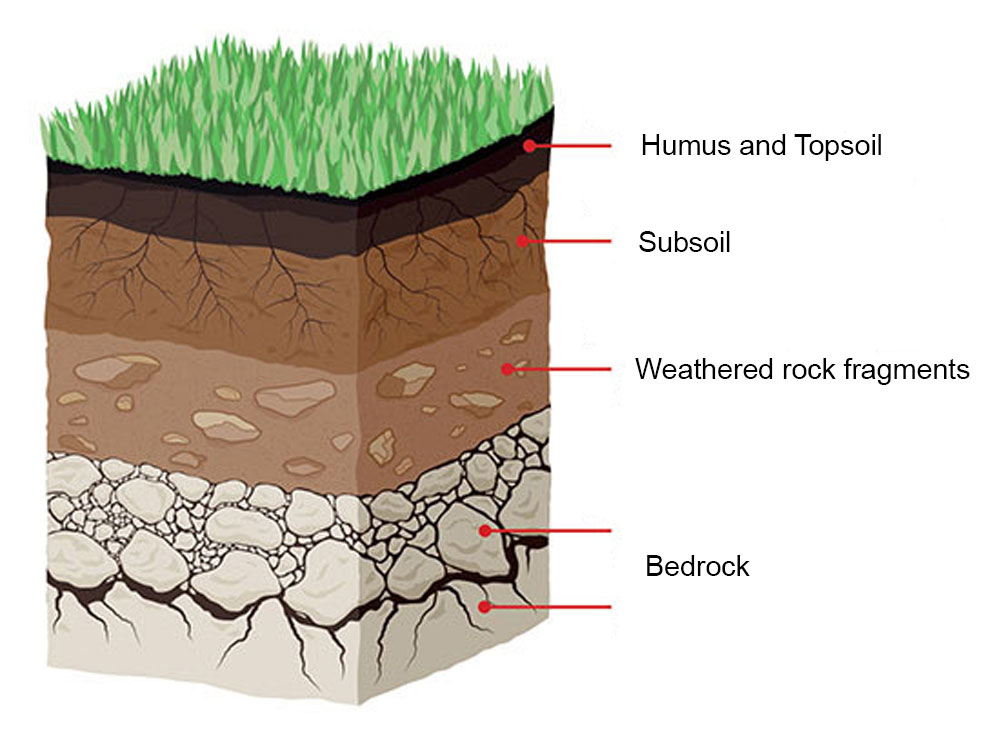
The successful integration of artificial grass in a driveway depends on proper material selection and installation techniques. Here’s an overview of the key steps involved:
-
Planning the Layout: Designers map out concrete slab dimensions and turf gaps for a harmonious layout.
-
Concrete Pouring: The slabs are formed using molds or pre-cast panels, spaced to leave gaps for turf installation.
-
Turf Base Preparation: The gaps are filled with compacted gravel and sand layers to support drainage and stability.
-
Artificial Grass Installation: Synthetic turf rolls are custom-cut, placed in the gaps, and secured with outdoor adhesive or turf nails.
-
Finishing and Sealing: Edges are trimmed, infill (usually sand or rubber granules) is added, and seams are hidden for a seamless look.
Materials typically include UV-resistant synthetic grass, polymer infill, and weather-resistant adhesives. These elements ensure the turf remains in place under both pedestrian and vehicle traffic.
Real-World Examples and Use Cases
Modern Suburban Home with Strip Driveway Design
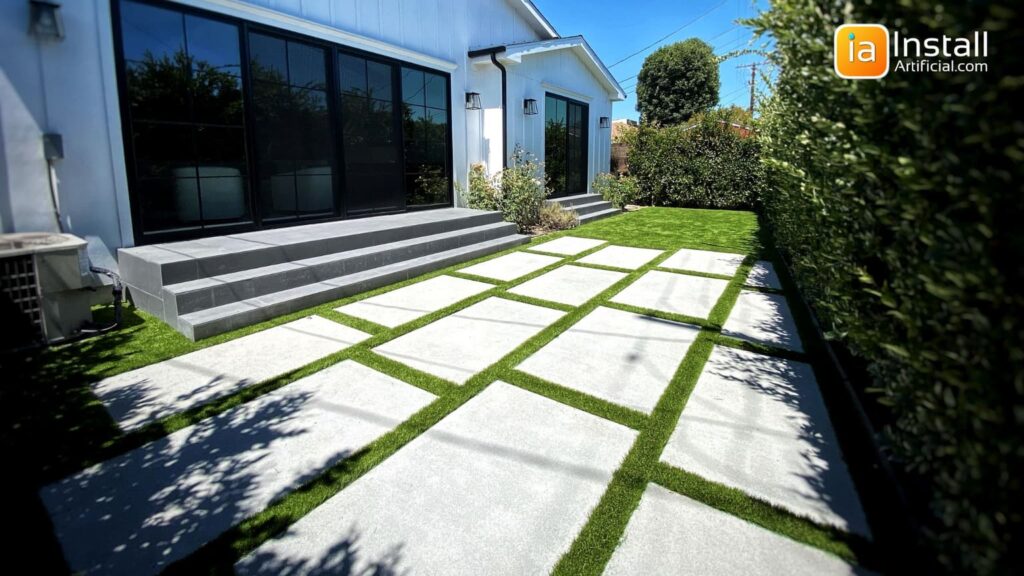
A homeowner in Southern California opted for narrow strips of artificial turf between wide concrete slabs. The design provided an eye-catching, minimalistic look that blended beautifully with the modern architecture of the home.
Relevance: This setup demonstrates how the combination enhances modern designs while reducing lawn care costs in dry climates.
Urban Property with Small Front Yard
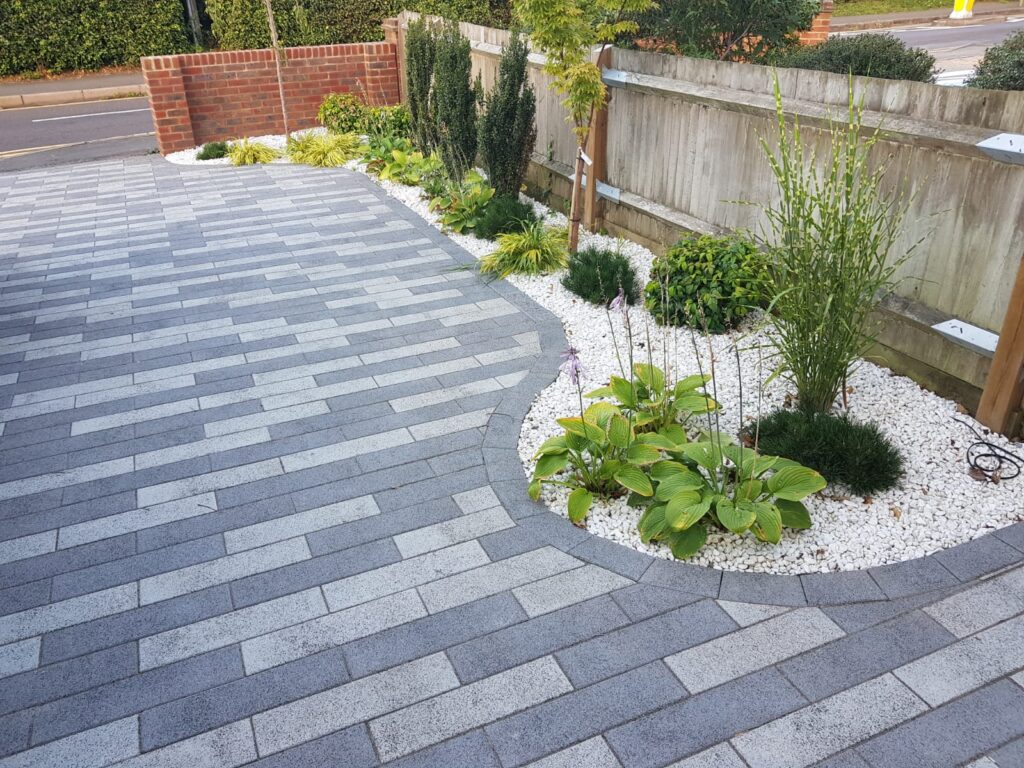
In a densely populated city, an urban townhouse owner replaced their full grass lawn with a concrete and turf driveway combo. This allowed for both vehicle access and a clean play surface for kids.
Relevance: Showcases space optimization blending utility and leisure in small properties without sacrificing greenery.
Vacation Property in a Drought-Prone Region
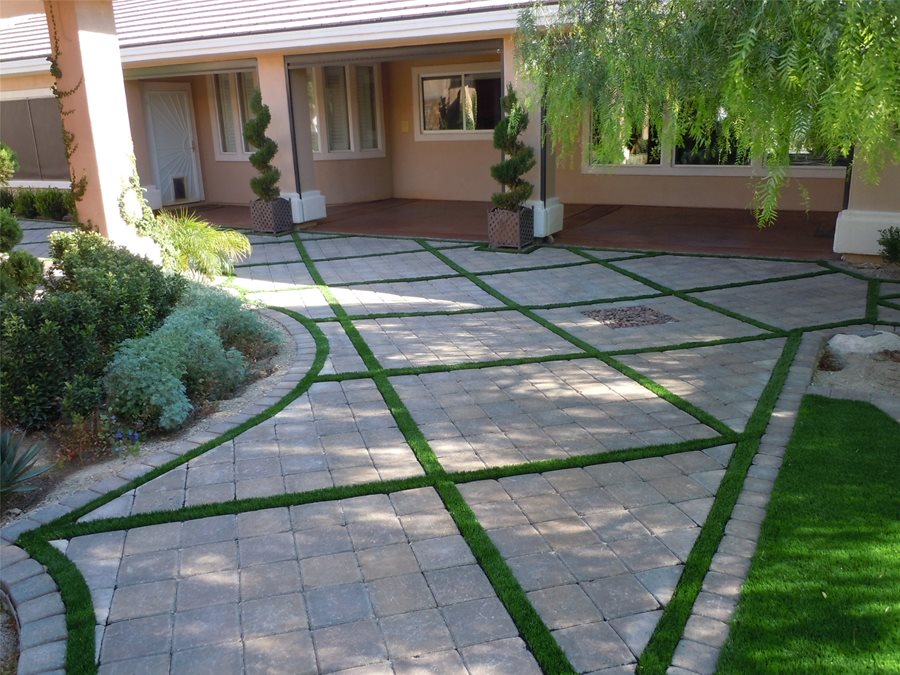
At a vacation rental in Arizona, developers created a heat-resistant driveway by integrating white concrete panels and artificial grass. The reflective properties of light concrete and synthetic turf helped reduce heat absorption.
Relevance: Highlights how this method helps manage temperature and water restrictions in dry zones.
Coastal Home with Drainage Challenges
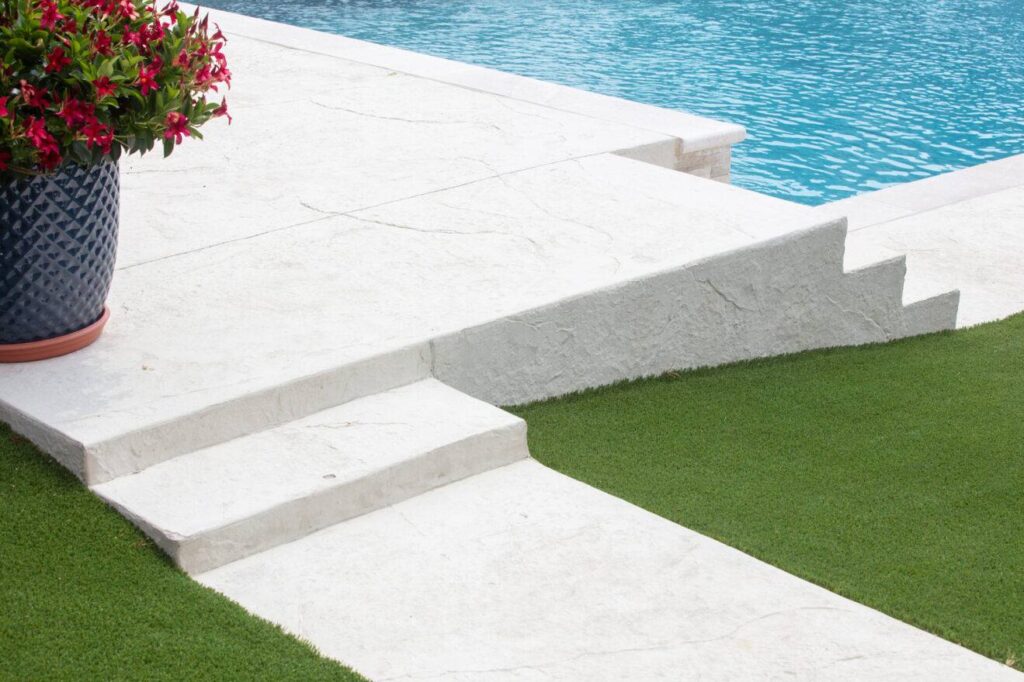
A coastal homeowner faced frequent water runoff issues from their sloped driveway. Installing artificial grass between permeable concrete helped direct rainwater into drainage systems and eliminated muddy runoff.
Relevance: Demonstrates functionality in managing water flow and erosion control in areas with frequent rainfall.
Custom Luxury Estate with Decorative Geometric Driveway
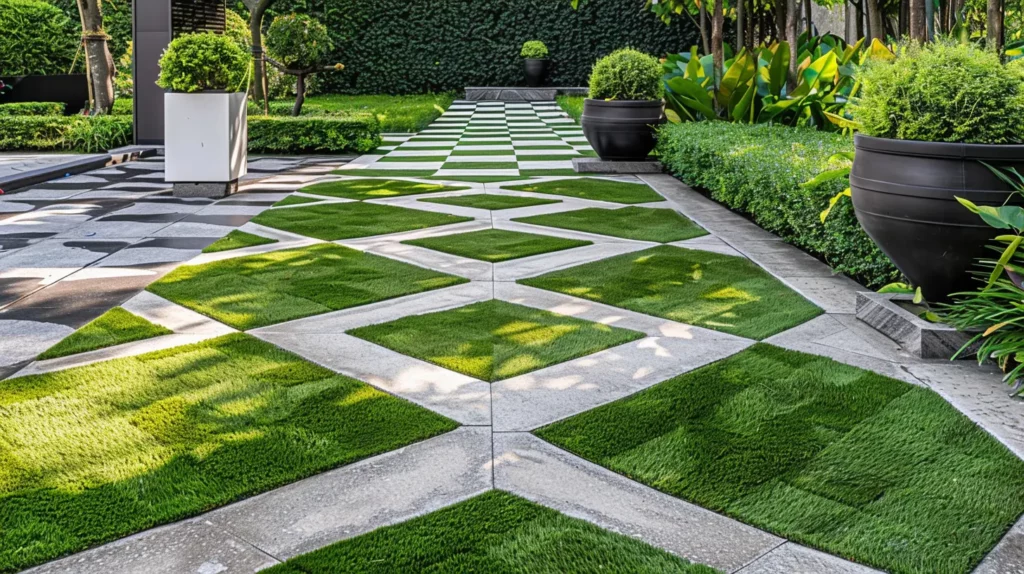
A luxury homebuilder designed a large driveway with custom concrete shapes and grass infills to mimic a tiled garden. This approach added both grandeur and greenery, enhancing the property’s high-end aesthetic.
Relevance: Emphasizes the decorative potential of artificial turf in upscale residential applications.
Practical Benefits in Everyday Use
Durability Under Vehicle Load
Modern artificial grass products are designed to handle light to moderate vehicle traffic. When properly installed with a strong sub-base, they remain intact under normal use, resisting matting or damage from tires.
Improved Drainage and Cleanliness
Permeable turf sections allow water to seep into the ground below, preventing puddles and reducing runoff. This keeps the driveway clean and functional even during heavy rains. It also limits dust and mud compared to dirt or gravel surfaces.
Child and Pet-Friendly Design
The soft, non-toxic surface of synthetic grass makes it safe for children to play on and for pets to walk over. No pesticides or fertilizers are used, which further enhances the safety and cleanliness of the home environment.
Problems This Solution Can Help Solve
-
Water Conservation: Eliminates the need for lawn irrigation in arid climates.
-
Time Management: Reduces lawn care and upkeep, saving homeowners hours per month.
-
Safety Hazards: Provides a flat, even surface free of mud, weeds, and holes.
-
Urban Aesthetics: Adds green visual appeal where full lawns are impractical or impossible.
-
Design Uniformity: Creates a cohesive look across hardscape and landscape areas.
By combining concrete strength with the natural feel of grass, this approach addresses both practical challenges and aesthetic desires.
FAQs
Q1: Can artificial grass in a driveway handle car weight?
A: Yes, as long as it’s installed with a compacted base and high-quality turf, it can withstand the weight of parked or moving vehicles. Specialized turf designed for traffic use is recommended.
Q2: How long does artificial grass last in a driveway?
A: High-quality synthetic turf can last 10 to 20 years, depending on exposure to UV rays, traffic, and maintenance. Occasional brushing and debris removal will help prolong its lifespan.
Q3: Does artificial grass get hot in the sun?
A: Artificial grass can get warm under direct sunlight, especially in darker colors. However, pairing it with light-colored concrete and using cooling infills can significantly reduce heat absorption.