Heated walkway pavers offer an ideal blend of style and functionality, delivering walkable surfaces free of snow and ice, all while preserving aesthetic appeal. By integrating heating systems beneath decorative pavers, homeowners and businesses gain clear, safe pathways during winter. This detailed article breaks down the technology, benefits, installation strategies, real-world examples, and practical use cases of heated walkway pavers.
What Are Heated Walkway Pavers?
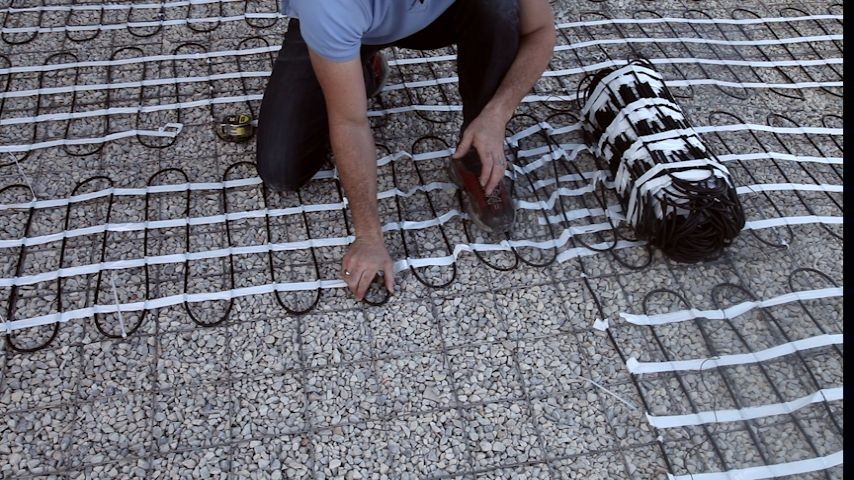
Heated walkway pavers utilize embedded radiant heating, either electric cables or hydronic tubing placed beneath the paver layer to melt snow and ice automatically. Electric systems use heat mats or loose cables installed atop a compacted base, then covered by sand and pavers. Hydronic systems circulate warm water/glycol through PEX tubing routed similarly.
Both types are controlled via sensors that detect moisture and low temperatures, triggering heat only when needed. They can be installed at the time of paver setting or retrofitted in certain situations, depending on design and material.
Why Invest in Heated Walkway Pavers?
Heated walkway pavers offer multiple advantages for practical and aesthetic reasons:
-
Enhanced safety and accessibility: Prevents ice buildup and reduces slip/fall risk essential for households with seniors or high foot traffic.
-
Preserves surface quality: Eliminates the need for de-icing chemicals and plows, protecting delicate materials and landscaping.
-
Environmentally responsible: Reduces chemical runoff and integrates with other sustainable features, such as especially permeable pavers.
-
Convenience: Set-and-forget automation keeps pathways clear without manual labor
-
Long-term value: Adds premium appeal to properties and can last 20+ years with proper installation
Technology Behind Heated Paver Systems
Electric Cable and Mat Installations
Electric systems rely on heat mats or individual heating cables laid over a bedding layer and secured to wire mesh before paver installation. Spacing guidelines—typically 2–4 inches between cables—ensure uniform heating. They are simpler and cost-effective, and cables tend to outlast hydronic tubing.
Hydronic PEX Tubing Systems
Hydronic setups route hot liquid through PEX tubing beneath pavers. Heated via a boiler or pump, it offers efficient coverage across larger areas and integrates well with permeable designs. Proper insulation and tubing layout are crucial for even heat distribution.
Permeable Heated Paver Systems
Permeable pavers can integrate hydronic tubing or electric cables within drainage-friendly bases, allowing meltwater to infiltrate naturally. These systems maintain permeability, aiding stormwater management and reducing runoff.
Real-World Installations of Heated Paver Walkways
Heated Permeable Paver Walkway in Cold Climate

In Nebraska, a homeowner chose permeable Eco‑Dublin pavers layered over hydronic tubing. The system not only melted snow but also prevented runoff by allowing water to naturally infiltrate.
Relevance: Demonstrates dual benefits—snow-free surfaces and sustainable drainage.
Electric Mats under Decorative Pavers
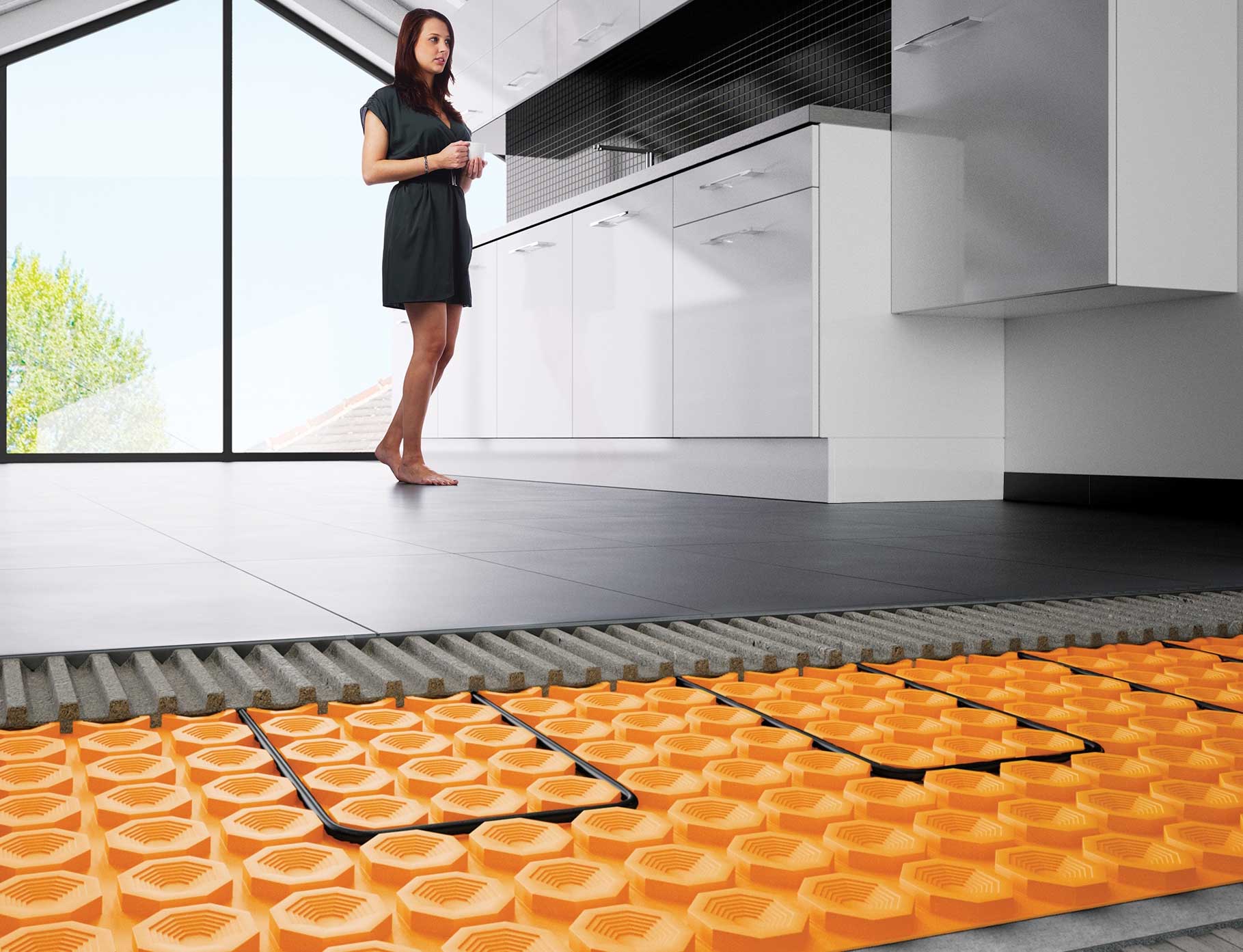
A Minnesota project used electric mats under interlocking pavers in a high-end entry walkway. The system maintained the luxe appearance while removing snow hazards before guests arrived.
Relevance: Shows how aesthetics and safety combine in a luxury landscape
Example 3: Retrofit for Asphalt Walkway Using Electric Cable

In a Denver retrofit, heating cables were embedded into a thin asphalt overlay over the walkway. The system prevented recurring slip zones without major destruction of existing surfaces.
Relevance: Offers insight into versatile retrofit solutions.
Example 4: Heated Rooftop Terrace with Modular Tray

A rooftop terrace employed Tile Tech’s Hex‑Tray snow melt system under porcelain pavers, maintaining seasonal usability while respecting height constraints.
Relevance: Illustrates heated pavement adaptability to terraces and limited-space areas.
Institutional Entrance Walkway with Hydronic System

A school installed hydronic heated tubing beneath pavers on the entrance walkway, ensuring safe student passage daily, even in heavy snow.
Relevance: Highlights the scalability and reliability for high-foot-traffic commercial installations.
Key Advantages in Everyday Use
All‑Season Accessibility and Safety
Heated paver walkways stay clear 24/7, regardless of snowfall. This is critical for entrances, paths to mailboxes, and public buildings where accidents from ice carry liability risks.
Surface Protection and Reduced Maintenance
By eliminating snow and ice buildup, these systems prevent freeze-thaw damage, salt corrosion, and paver displacement. As a result, repair frequency is reduced, saving costs long-term.
Aesthetic Versatility
Pavers come in various colors and styles—brick, stone, and concrete. The heating elements are fully concealed, preserving the design integrity. Individual pavers can also be replaced if damaged, simplifying future maintenance.
Integration with Sustainable Infrastructure
When paired with permeable pavers, systems contribute to effective stormwater management and green-certified property goals. Hydronic systems using renewable boilers further bolster sustainability.
Reduced Liability and Labor
No more slipping hazards or shoveling injuries. Automated systems reduce reliance on labor and reduce public liability, especially beneficial for schools, healthcare facilities, and commercial properties.
Practical Applications and Problem Resolution
-
Residential safety: Eliminates icy steps and pathways for families with children or seniors.
-
Hospitality and walkways: Ensures guest safety and curb appeal during events or regular operations.
-
Commercial complexes: Prevents liability claims and improves brand reliability.
-
Sloped or shaded pathways: Overcome natural accumulation by maintaining a consistent temperature.
-
High-end landscape designs: Add value by merging luxury design with year-round functionality.
Frequently Asked Questions
Q1: Which system is better: electric or hydronic?
Electric systems are ideal for smaller walkways and are simpler to install and maintain. Hydronic systems excel in larger areas and can be more energy-efficient over time, though installation is more complex.
Q2: Are heated pavers easy to repair?
Yes. Individual pavers can be lifted and replaced without disrupting the heating system. The underlying mesh and cables remain intact, allowing repairs to be localized and cost-effective.
Q3: How much does a heated walkway paver system cost?
Costs depend on size, system type, and design complexity. Electric systems typically cost less upfront (e.g., per square foot), while hydronic systems carry higher initial but potentially lower operational costs for a large installation.