Maintaining clear, ice-free paths is a major winter challenge for homeowners, businesses, and municipalities. Heated walkways and driveways eliminate the need for manual snow removal, reduce slip hazards, and preserve surface materials. In this detailed guide, we explore technologies, advantages, real-world examples, and practical applications of snow-melting systems.
What Are Heated Walkways and Driveways?
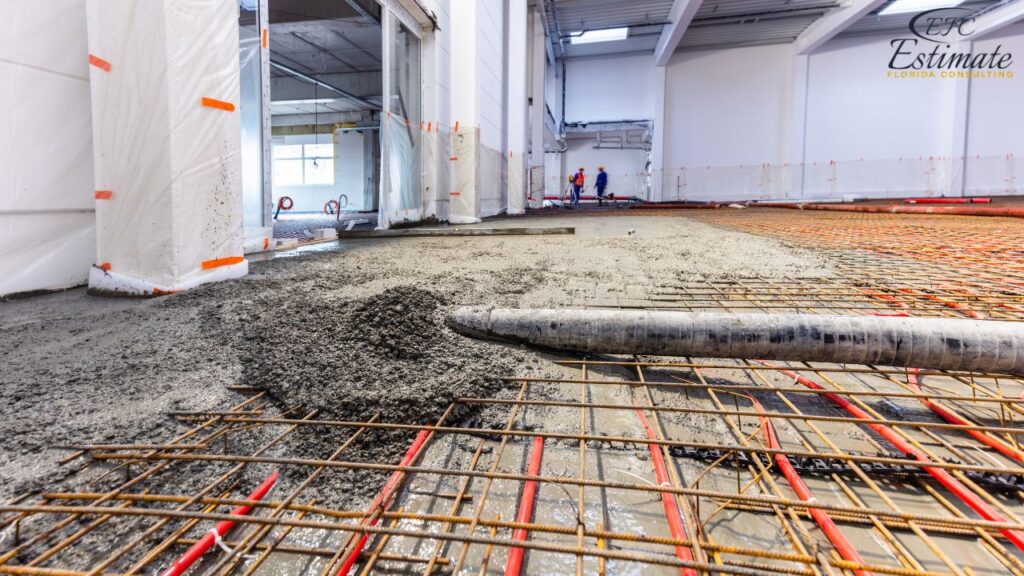
Heated walkways and driveways integrate heating elements beneath the surface, either electric cables or hydronic tubing. These systems automatically turn on when sensors detect snow or freezing moisture, efficiently melting snow at ground level. Ideal for concrete, asphalt, pavers, or decorative stones, they can be installed during new construction or retrofitted under overlays.
Electric systems use high-resistance cables or mats, while hydronic systems circulate heated water or glycol through PEX. Both ensure consistent surface warmth without manual effort.
Core Technology and Installation Insights
Electric systems require precise cable spacing (typically 3–4 inches) and anchoring to remesh, encased in a concrete slab or asphalt overlay. Smart controls regulate activation based on temperature and moisture, often featuring an “after-run” to prevent refreezing.
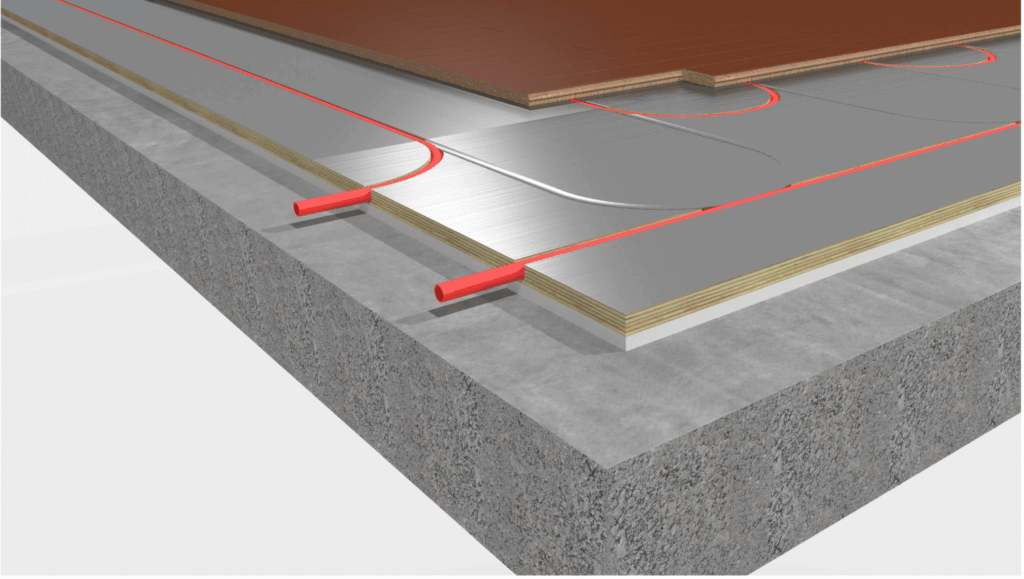
Hydronic systems involve laying PEX tubing in spiral or serpentine patterns over insulation. A boiler or heat pump circulates fluid through manifolds, warming the slab efficiently. Proper insulation beneath tubing is essential to minimize heat loss and optimize performance.
Benefits of Implementing Snow-Melt Systems
Enhanced Safety and Accessibility
Snow-melt systems virtually eliminate slip-and-fall risk. They provide continuous traction and clear surfaces, essential for homes with seniors, parents with small children, or commercial properties aiming to minimize liability.
Convenience and Reduced Labor
With automated operation triggered by weather conditions, these systems remove the need for shoveling, salting, or snowplowing. That translates into saved time, lower physical strain, and reduced winter maintenance costs.
Preservation of Surface Materials
Traditional snow removal often damages surfaces. Heated systems eliminate the need for salt and heavy equipment, preventing spalling, cracking, and material degradation.
Environmental and Energy Efficiency
Hydronic systems paired with high-efficiency boilers or renewable energy are cost-effective for large areas, while electric systems serve smaller residential zones. Both reduce chemical runoff, protecting landscaping and water sources.
Increased Property Value
A heated walkway or driveway is a premium upgrade that enhances curb appeal, boosts resale value, and simplifies winter living, especially in cold climates.
Real-World Installation Examples
Electric Heat Cable Under New Concrete Driveway
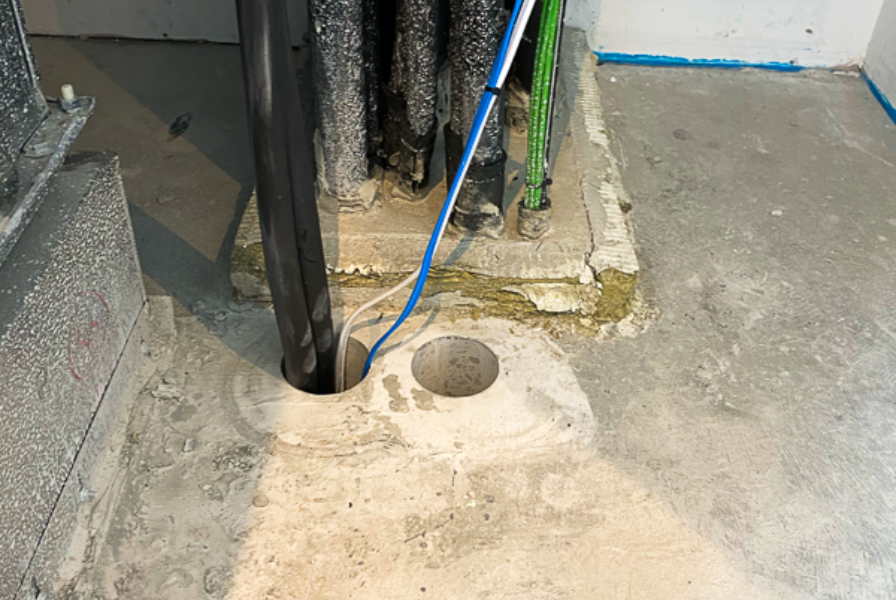
In suburban Michigan, a homeowner opted for electric cable integration during driveway construction. Smart sensors triggered the system during snowfall, ensuring a clear driveway every morning without shoveling.
Relevance:
Ideal for residential new build,s offers fast installation and effective snow removal for standard driveway sizes.
Hydronic System for Commercial Parking Lot

A retail center in Colorado used hydronic tubing beneath its entry and walkway areas. The system, powered by a natural gas boiler, reliably prevents ice buildup in high-traffic zones.
Relevance:
Scalable for commercial use, efficient, and economical for large areas.
Retrofit Electric Mats under Asphalt Overlay
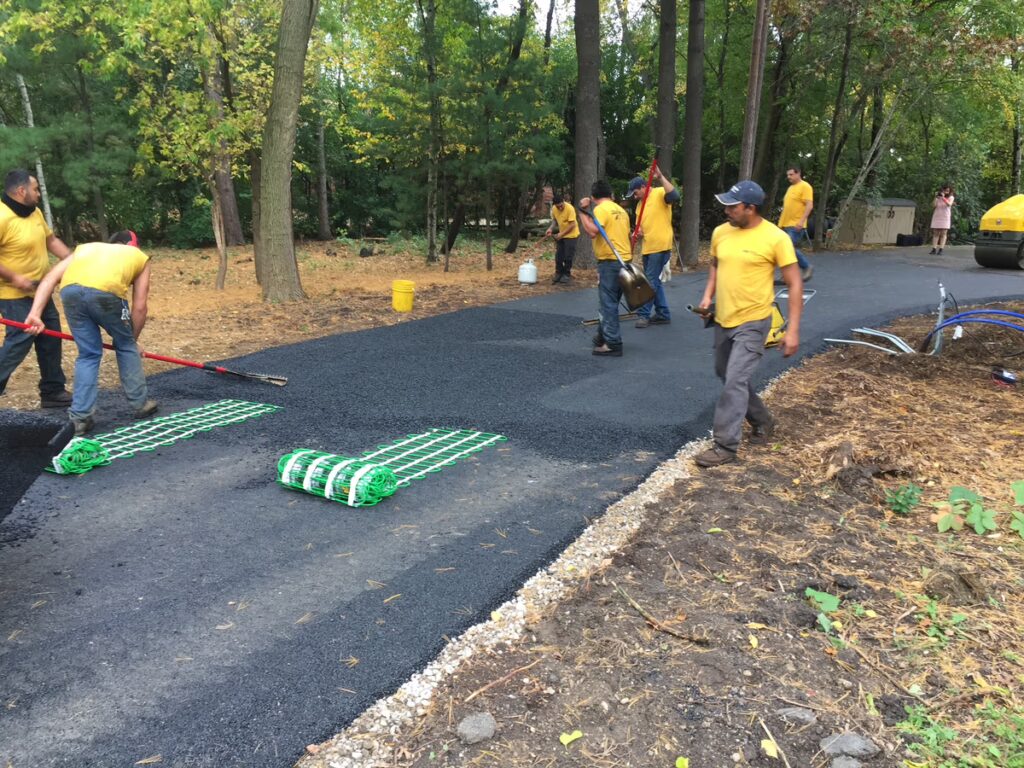
In Vermont, a driveway received its first asphalt resurfacing with embedded electric heating mats. This retroactive integration completely prevented future snow accumulation, without removing the old surface.
Relevance:
Demonstrates retrofit possibilities with minimal disruption.
Decorative Pavers with Integrated Electric Heating
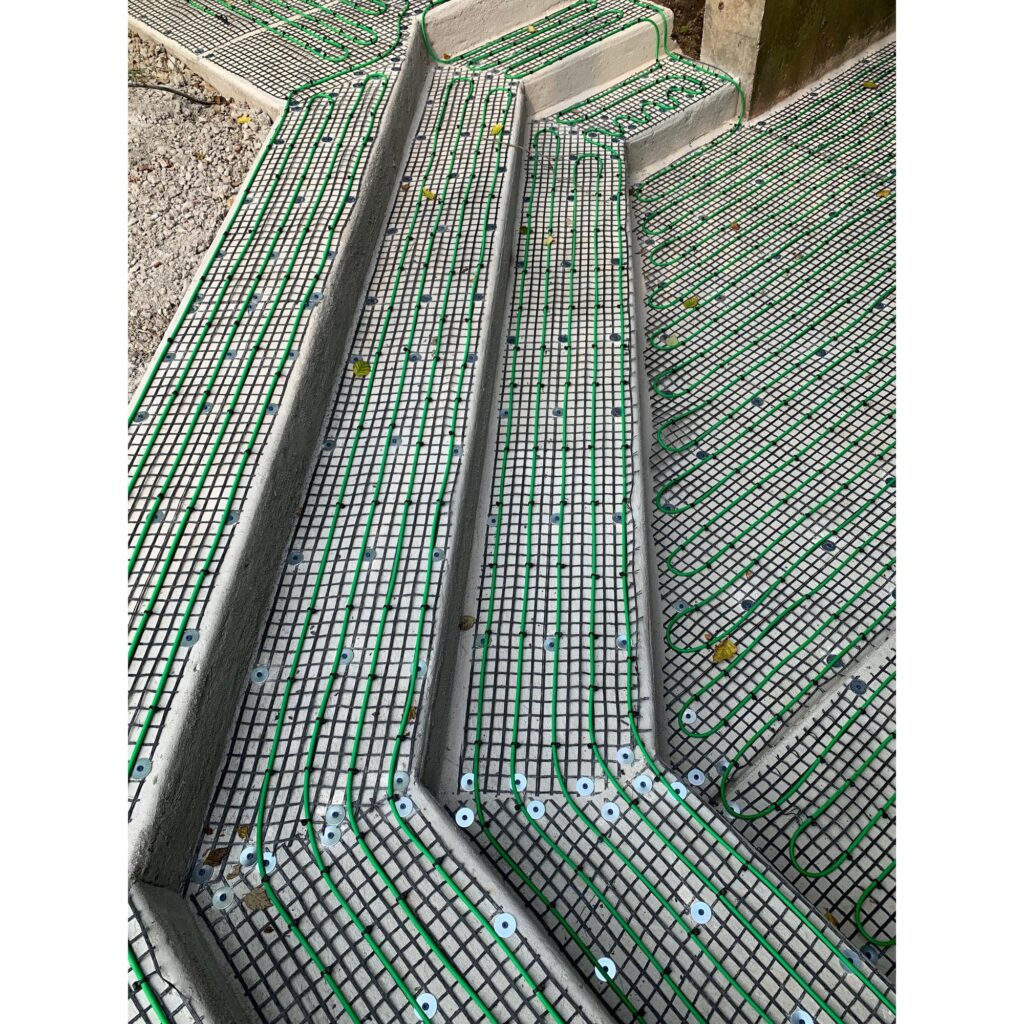
A luxury Chicago home used electric cables under patterned paver walkways. The cables were routed to maintain aesthetic appeal while delivering effective snow melt.
Relevance:
Customizable for upscale designs, maintains aesthetics while improving winter usability.
Steep Hydronic Heating System at Mountain Lodge
A ski-lodge driveway in the Rockies is equipped its a steep driveway with hydronic tubing beneath concrete. This eliminated icy patches and improved vehicle traction throughout winter.
Relevance:
Critical for sloped and icy routes, it enhances safety and access in extreme winter environments.
Practical Use Cases and Problem Solving
-
High-traffic or institutional entrances: Reduce liability and improve safety with consistently cleared paths.
-
Homes with elderly residents: Automated systems enhance safety and quality of life.
-
Remote and steep driveways: Ensure vehicle and foot access in challenging terrains.
-
New residential builds or remodels: Convenient integration during construction.
-
Luxury properties: Improve aesthetics and convenience with hidden heating solutions.
Frequently Asked Questions
Q1: Which system is best—electric or hydronic?
Electric systems are simpler and ideal for smaller residential driveways and walkways. Hydronic systemsthough more complex and higher in upfront cost are more energy-efficient for large or commercial areas.
Q2: Can I retrofit a snow-melt system into my existing driveway?
Yes—electric cables can be embedded in concrete grooved overlays or laid under new asphalt without full demolition. Hydronic systems generally require full driveway replacement due to tubing layout requirements.
Q3: What kind of maintenance do these systems need?
Electric systems are largely maintenance-free once installed. Hydronic systems may need occasional boiler checks, antifreeze fluid replacement, and valve inspections. Properly installed systems can last 20+ years.