Parking lot asphalt paving refers to the process of laying down asphalt material to create smooth, durable, and traffic-resistant surfaces suitable for vehicle parking. It is a preferred choice for commercial and residential properties due to its affordability, fast installation time, and long lifespan.
Asphalt is composed of aggregates, binders, and fillers, creating a compact, resilient surface. When laid and compacted correctly, it offers weather resistance, flexibility under heavy traffic, and a clean aesthetic suitable for everything from shopping centers to office complexes.
Types of Asphalt Used in Parking Lots
Hot Mix Asphalt (HMA)
Hot Mix Asphalt is the most common material used for parking lots. It is mixed at high temperatures and applied while hot, allowing for quick setting and strong bonding. This type is excellent for areas with variable weather conditions, providing superior performance in both summer and winter.
HMA is ideal for parking lots that see moderate to heavy traffic, such as grocery stores, schools, or industrial lots. It offers excellent flexibility, resists cracking, and allows for efficient water drainage when paired with proper grading.
Warm Mix and Cold Mix Asphalt
Warm mix asphalt is produced at lower temperatures, reducing fuel use and emissions. It’s gaining popularity for environmentally conscious paving projects. Cold mix asphalt, on the other hand, is mainly used for temporary repairs or in remote areas where heating facilities are not feasible.
Warm mix is suitable for urban projects and projects that must comply with environmental regulations, while cold mix is a stop-gap solution for potholes or utility cuts during colder months.
Benefits of Asphalt Paving for Parking Lots
Durability and Load Resistance
Asphalt is designed to withstand constant vehicle movement and varying load sizes. When installed with proper sub-base preparation and compaction, it can last 15 to 30 years with routine maintenance.
Its flexibility allows it to accommodate shifting soil or seasonal changes without extensive cracking or surface failure, making it reliable under different environmental conditions.
Fast Installation and Minimal Downtime
Compared to concrete, asphalt paving is significantly faster to install. A medium-sized parking lot can often be paved and striped within one to two days, minimizing disruption to businesses or residents.
The quick curing time also means the surface can be opened to traffic faster, a crucial benefit for high-traffic commercial areas.
Cost-Effectiveness
Asphalt offers one of the best value propositions per square foot in terms of initial cost and longevity. Additionally, it is recyclable and reusable, reducing waste and further saving on material costs in future resurfacing projects.
Its low cost for routine maintenance and repairs further enhances its affordability over time.
Real-World Product Examples and Use Cases
Office Building Parking Lot in Minneapolis
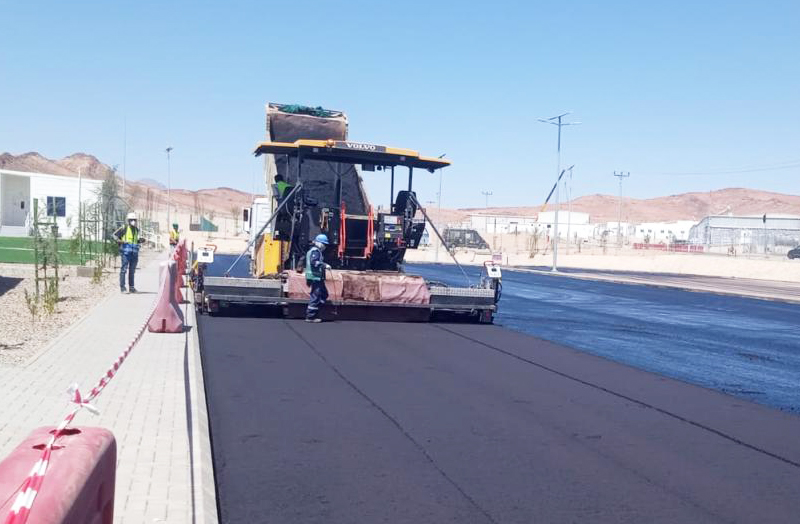
A commercial developer installed Hot Mix Asphalt for a 200-space parking lot outside a newly built office complex in Minneapolis. With high vehicle traffic and winter freeze-thaw cycles, durability was key.
Relevance: The asphalt provided long-term resilience and cost-effective maintenance with sealcoating every few years.
Retail Center in Phoenix Using Warm Mix Asphalt
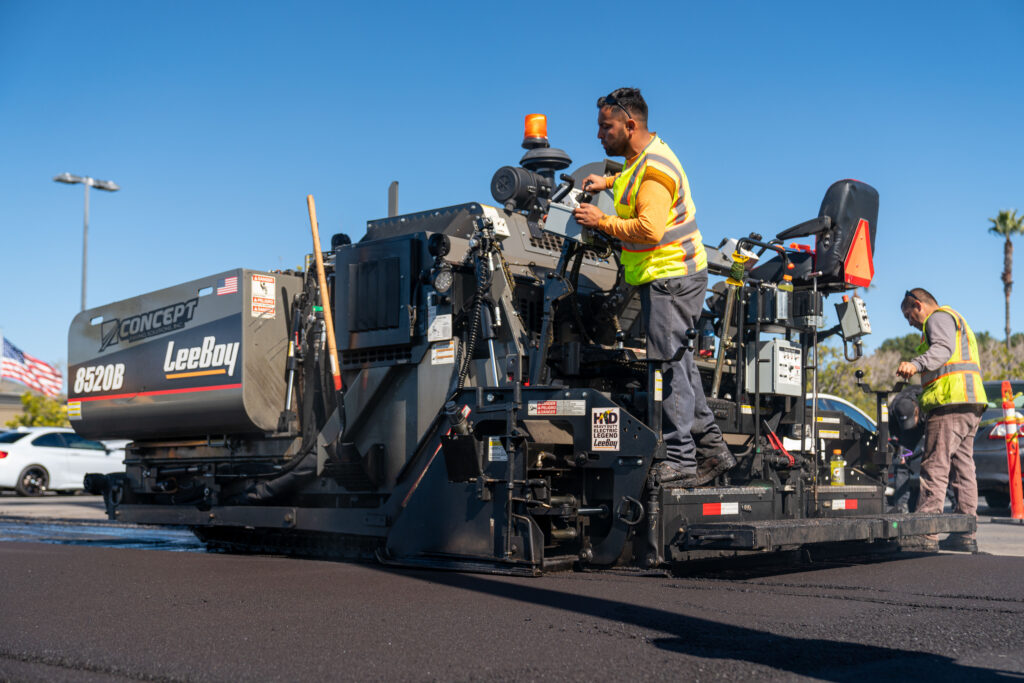
A retail plaza in Phoenix chose warm mix asphalt for its low-emission production. The project aimed for sustainability and quick turnaround, completing in under three days with minimal disruption to foot traffic.
Relevance: Ideal for eco-friendly paving in urban environments with strict environmental policies.
Hospital Parking Expansion in Pennsylvania
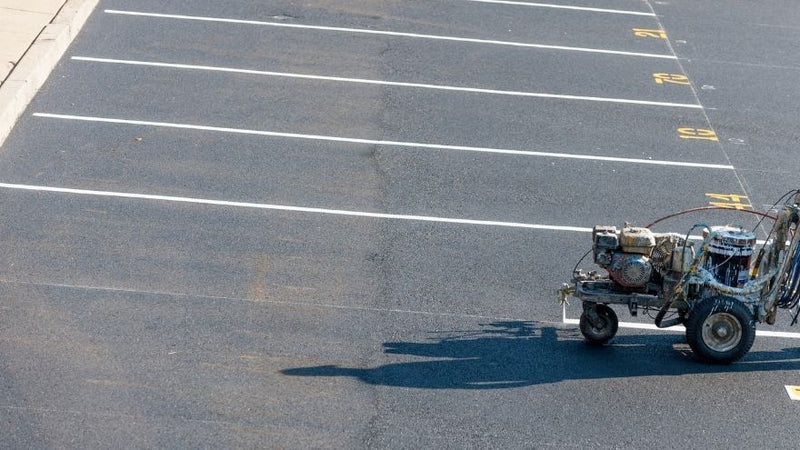
A medical facility added 100 additional parking spaces using a heavy-duty asphalt mix. Special attention was given to grading and drainage to prevent water pooling near pedestrian zones.
Relevance: Asphalt met ADA compliance needs and provided clear striping for safety-critical environments.
Industrial Loading Bay in Kansas
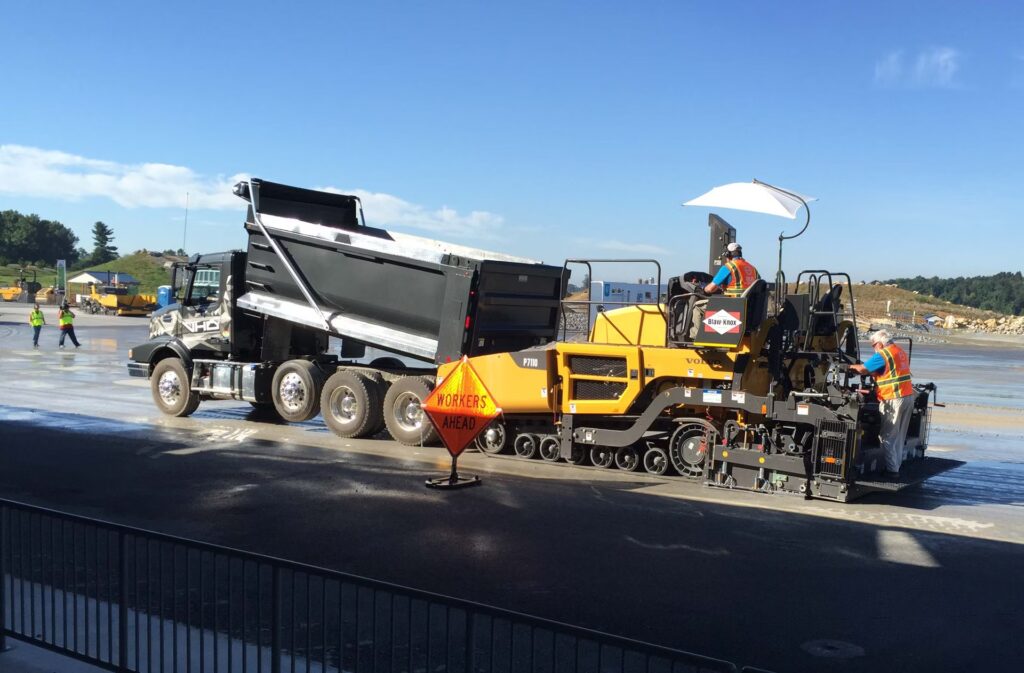
An industrial complex used a high-strength asphalt mix with reinforced base layers to support daily heavy truck traffic. The paving extended to loading docks and service lanes.
Relevance: Demonstrates asphalt’s ability to endure intense weight and mechanical wear.
Suburban Church Parking Lot in Georgia
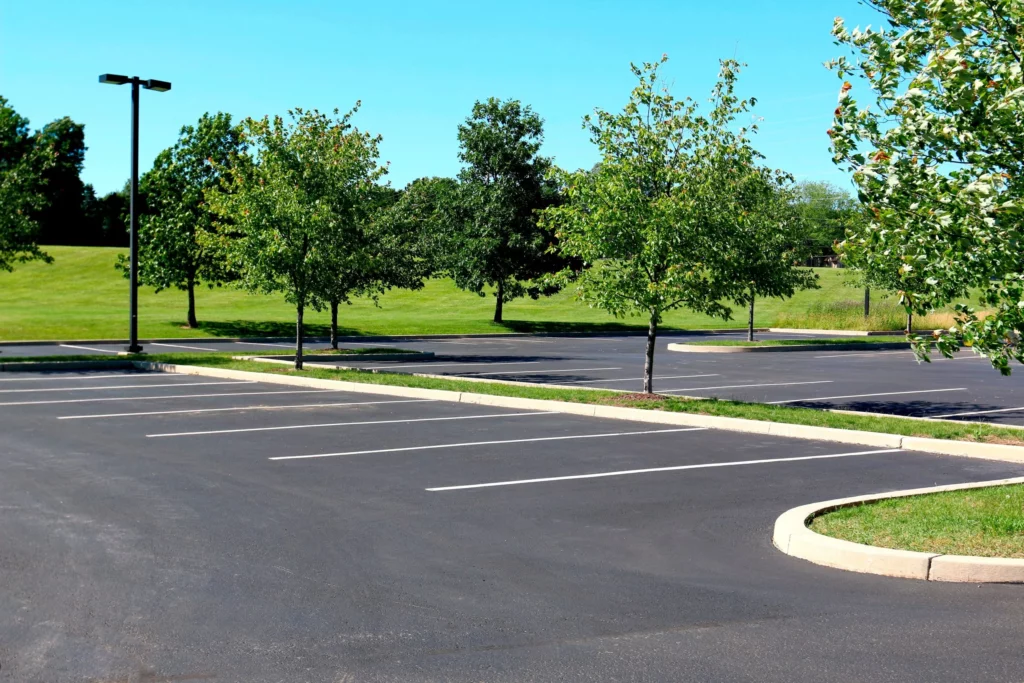
A suburban church opted for asphalt paving for its aesthetic, budget-friendliness, and ease of maintenance. The paving included fire lane markings and handicap-accessible parking zones.
Relevance: Perfect for large lots needing cost-effective yet attractive surfaces.
Practical Use Cases for Asphalt Parking Lots
-
Commercial centers benefit from asphalt’s quick installation, ensuring business continuity.
-
Schools and universities use asphalt for easy-to-maintain lots with clear traffic flow.
-
Hospitals and clinics prioritize safety, smooth surfaces, and visibility, features that asphalt provides.
-
Industrial and warehouse facilities demand surfaces that endure weight and movement, which asphalt accommodates.
-
Residential complexes and HOAs rely on asphalt for long-lasting surfaces that can be easily resealed.
Frequently Asked Questions
Q1: How long does asphalt last in a parking lot?
A properly installed and maintained asphalt parking lot can last between 15 and 30 years. Factors like climate, traffic load, and maintenance frequency affect its lifespan.
Q2: How often should an asphalt parking lot be maintained?
Routine maintenance includes sealcoating every 2–3 years and crack filling as needed. Regular inspections help catch early signs of wear and prevent larger issues.
Q3: Is asphalt paving environmentally friendly?
Yes. Asphalt is 100% recyclable and reusable. Warm mix technologies also reduce greenhouse gas emissions during production and application.